Cultural Heritage Guiding Casino Loyalty Sign-Ups Across International Lines
Written by Iris Richter · Aug 14, 2026
Cultural Heritage Guiding Casino Loyalty Sign-Ups Across International Lines
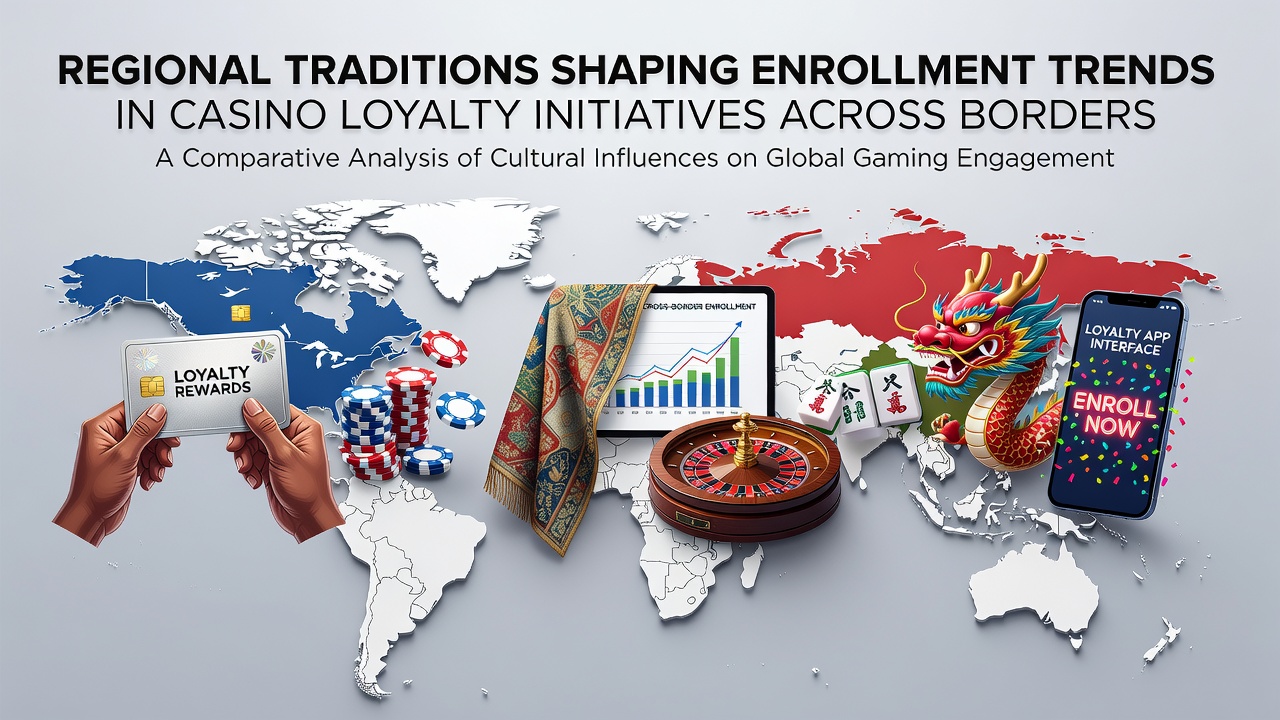
Regional traditions continue to shape how players join casino loyalty programs in markets spanning Asia, Europe, and the Americas, with enrollment data reflecting local customs around family gatherings, seasonal festivals, and community events that operators adapt into targeted incentives. Observers note that these patterns emerge clearly in cross-border comparisons where operators track sign-up spikes tied to specific cultural calendars rather than uniform global campaigns.
Asian Markets and Festival-Driven Enrollment
In parts of East Asia, loyalty program sign-ups often align with Lunar New Year preparations and mid-autumn celebrations where extended family networks play central roles, prompting casinos to offer multi-generational reward tiers that mirror those social structures. Data from regional operators shows increased enrollment during these periods as players seek points that can be shared or redeemed for group experiences, while operators in Macau and Singapore adjust bonus structures to accommodate red envelope traditions and collective gifting practices.
What's interesting is how these approaches differ from Western models yet produce measurable cross-border effects when tourists from festival-heavy regions visit properties elsewhere. Figures from industry reports indicate that loyalty program uptake among visitors from these areas rises when promotions reference familiar customs, creating enrollment clusters that operators monitor through passport-linked data sets.
European Customs and Seasonal Community Ties
European markets demonstrate their own distinct patterns where loyalty enrollments frequently connect to local harvest festivals and regional saint's day observances that emphasize community participation over individual rewards. Casinos in Spain and Italy have documented higher sign-up volumes during summer months when traditional fairs draw crowds, integrating loyalty benefits with event-based perks such as priority access to local cultural activities.
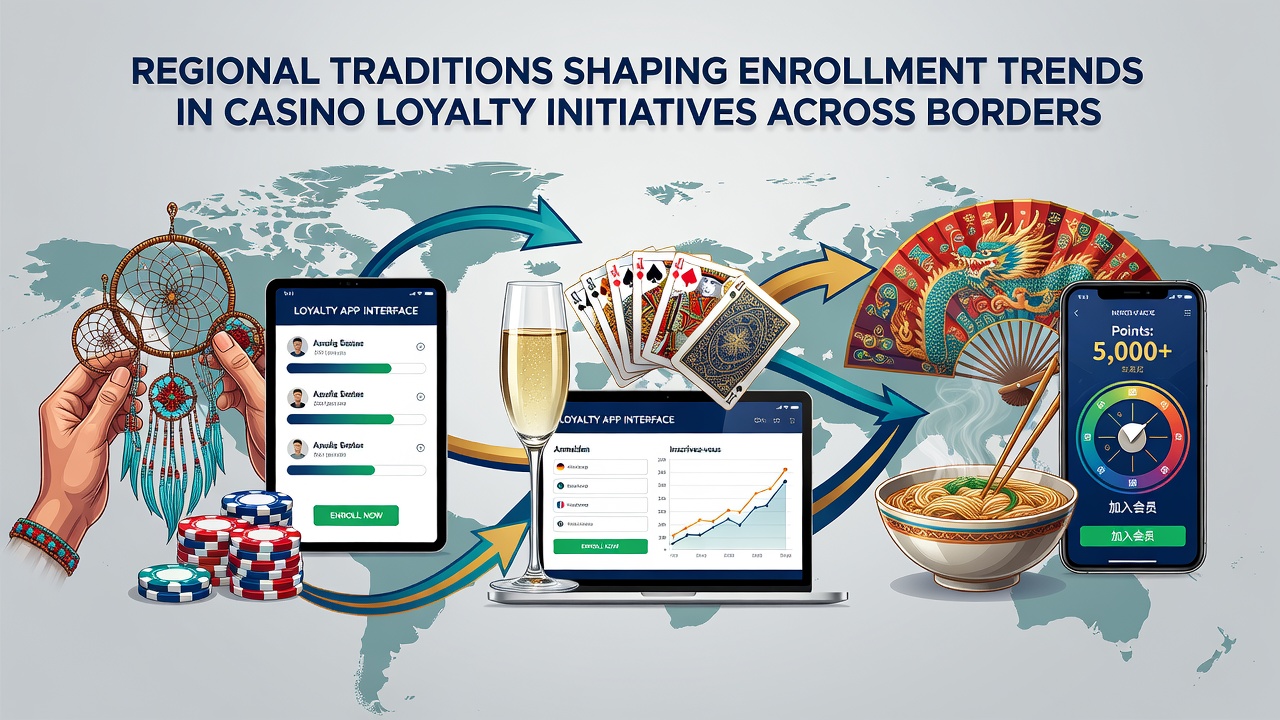
According to analyses from the Netherlands Gambling Authority, these seasonal alignments influence how players from neighboring countries enroll when traveling, with data revealing preference for programs that acknowledge home-region holidays even when the casino operates outside those borders. Operators respond by creating flexible membership categories that recognize multiple national calendars simultaneously.
North American Tribal Traditions and Cross-Border Effects
North American tribal gaming facilities incorporate indigenous ceremonial calendars into loyalty structures, resulting in enrollment trends that peak around powwows and seasonal renewal ceremonies rather than standard calendar promotions. These practices extend across borders when players from Canadian First Nations communities participate in U.S. properties or vice versa, with systems designed to honor shared cultural timelines.
Research from the National Indian Gaming Commission tracks how such adaptations affect membership numbers in border regions, showing steady growth in cross-listed accounts that respect dual ceremonial schedules. By August 2026, several properties plan expanded tracking to capture these transnational movements more precisely.
Implications for Global Operators
Operators managing international portfolios find that blending these regional approaches requires careful calibration of enrollment interfaces and reward catalogs to avoid cultural misalignment. Those who've studied the data observe that successful programs maintain core mechanics while layering region-specific entry points, such as language options or festival-timed bonuses, that respect local traditions without fragmenting the overall system.
Conclusion
The interplay between regional traditions and casino loyalty enrollment continues to produce distinct patterns across borders as operators refine strategies based on cultural calendars and community expectations. Evidence from multiple markets demonstrates that programs incorporating these elements achieve higher participation rates when they align incentives with existing social practices rather than imposing standardized models. Future developments through 2026 and beyond will likely build on these established connections between heritage and membership behavior.