Currency Exchange Rates and Their Effects on International Players' Choices in Digital Payment Systems for Gaming
Written by Sam Zimmermann · Jun 26, 2026
Currency Exchange Rates and Their Effects on International Players' Choices in Digital Payment Systems for Gaming
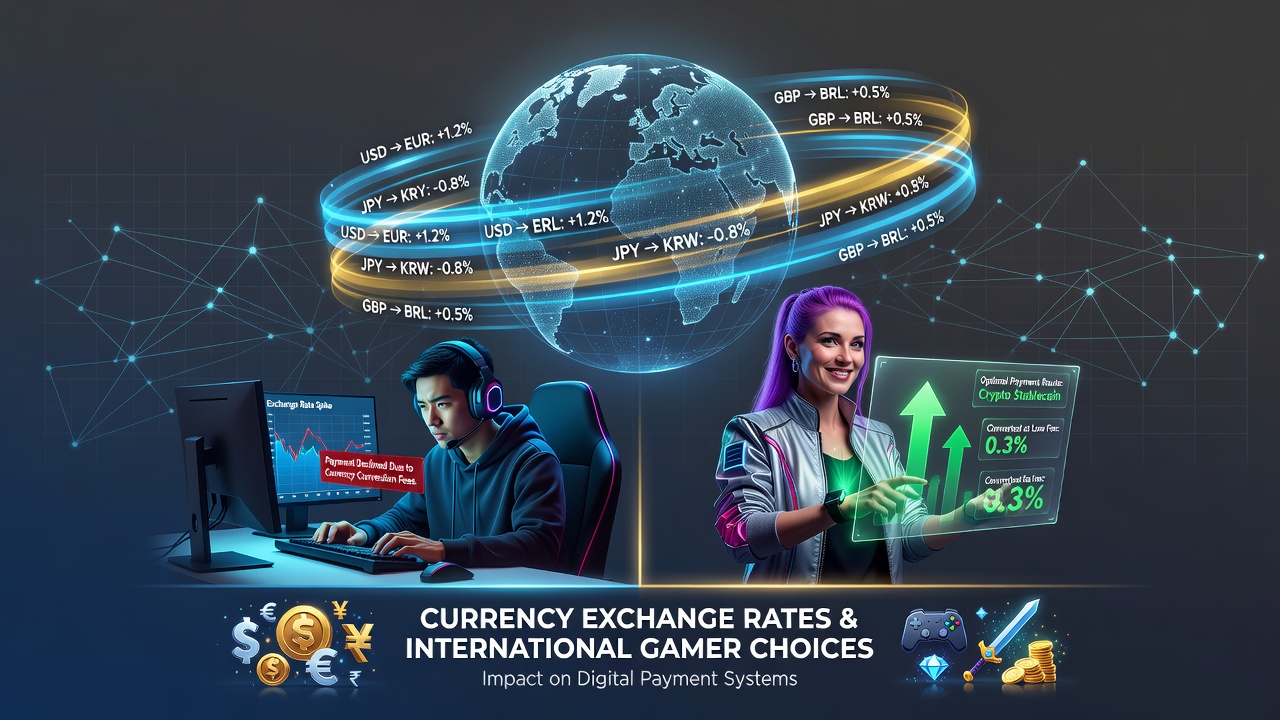
Currency exchange rates shape how international players approach digital payment systems in gaming environments, where even small fluctuations alter the real cost of deposits and withdrawals across borders. Players from regions with volatile currencies often monitor rate movements closely before selecting a payment method, since conversion fees compound with market shifts and platform policies. Data from mid-2026 shows increased activity in multi-currency wallets as participants seek to lock in favorable rates during periods of relative stability.
How Exchange Rate Movements Influence Deposit Decisions
Exchange rates determine the exact amount credited to a gaming account after conversion, which leads many users to compare several options before completing a transaction. When the euro strengthens against emerging market currencies, European players see improved purchasing power on platforms that accept direct euro transfers, whereas those holding weaker local currencies face higher effective costs. Observers note that platforms offering real-time rate displays help users time their deposits during favorable windows, especially around major economic announcements that trigger immediate market reactions.
Payment providers integrate live feeds from central banks and forex markets to display converted amounts, yet hidden markups still vary by provider and region. In June 2026, reports indicated that players in Latin America increasingly routed transactions through USD-pegged instruments to bypass local currency depreciation against the dollar, reducing the number of steps required for conversion and limiting exposure to intraday swings.
Payment System Preferences Across Different Regions
International participants gravitate toward systems that minimize conversion layers or offer native support for multiple currencies. E-wallets with built-in currency accounts allow users to hold balances in USD, EUR, or GBP without immediate conversion, giving them flexibility to wait for better rates before funding gaming sessions. Credit card transactions, by contrast, typically convert at the network rate plus issuer fees, which prompts some users to avoid cards when exchange volatility spikes.
Cryptocurrency options have gained traction among players seeking to sidestep traditional banking channels altogether, since digital assets trade independently of national currency pairs. Research from the Asia-Pacific region indicates that participants in Australia and Singapore frequently convert local holdings into stablecoins ahead of deposits, preserving value during periods when the Australian dollar experiences pressure from commodity price changes. These choices reflect calculated responses to rate differentials rather than random preferences.
Impact on Withdrawal Strategies and Platform Selection
Withdrawal timing becomes another variable influenced by exchange rates, as players aim to convert winnings back into their home currency at advantageous levels. Platforms that process withdrawals in the original deposit currency reduce the need for additional conversions, which appeals to users who track rate charts regularly. Those who switch between multiple platforms often cite the availability of local currency settlement as a deciding factor when rates move sharply in either direction.
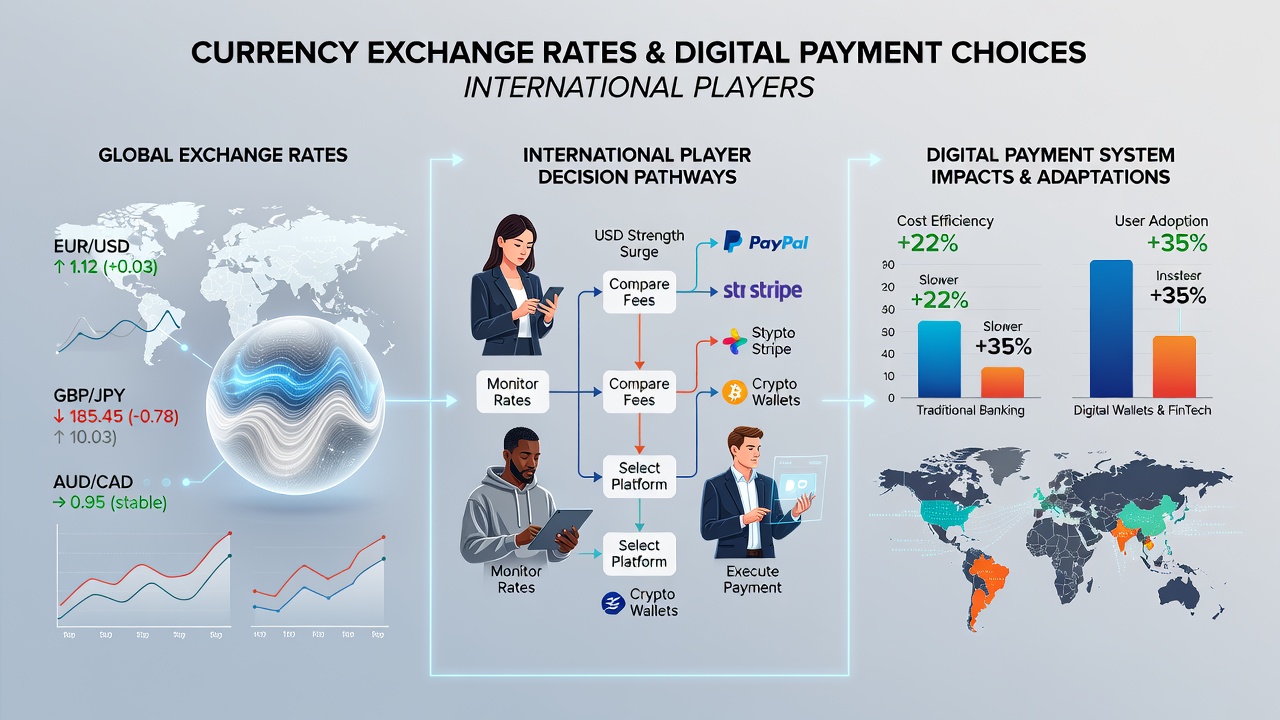
Regional regulatory frameworks add another layer, since some jurisdictions require reporting of foreign currency transactions above certain thresholds. This requirement leads players to consolidate activity on platforms that streamline compliance while still offering competitive conversion terms. Industry data compiled by the European Gaming and Betting Association reveals that cross-border volume through regulated digital channels rose steadily through the first half of 2026, coinciding with more transparent rate disclosure practices among operators.
Role of Real-Time Tools and Platform Features
Modern payment interfaces now include conversion calculators and historical rate charts that let users project costs under different scenarios. These tools support informed choices without requiring external research, which reduces friction for participants managing accounts across several time zones. When major currency pairs experience rapid movement, such as during central bank policy shifts, players who rely on automated alerts can adjust their funding schedules accordingly.
Some operators partner with fintech providers to offer dynamic pricing that adjusts displayed amounts based on live market data, giving users a clearer picture of net costs before confirmation. According to figures released by the Canadian Gaming Association, platforms incorporating these features recorded higher retention rates among international users compared with those using static conversion tables.
Conclusion
Currency exchange dynamics continue to guide how international players navigate digital payment ecosystems in gaming, prompting ongoing adaptation in both user behavior and platform offerings. As markets evolve through 2026 and beyond, the interplay between rate movements, payment technology, and regional regulations remains a central factor in transaction patterns worldwide. Those who monitor these elements closely maintain greater control over the effective cost of participation across borders.