Decoding the Algorithms Behind Random Number Generators in Modern Electronic Gaming Machines and Their Role in Fair Play Assurance
Written by Otto Albrecht · Jun 12, 2026
Decoding the Algorithms Behind Random Number Generators in Modern Electronic Gaming Machines and Their Role in Fair Play Assurance
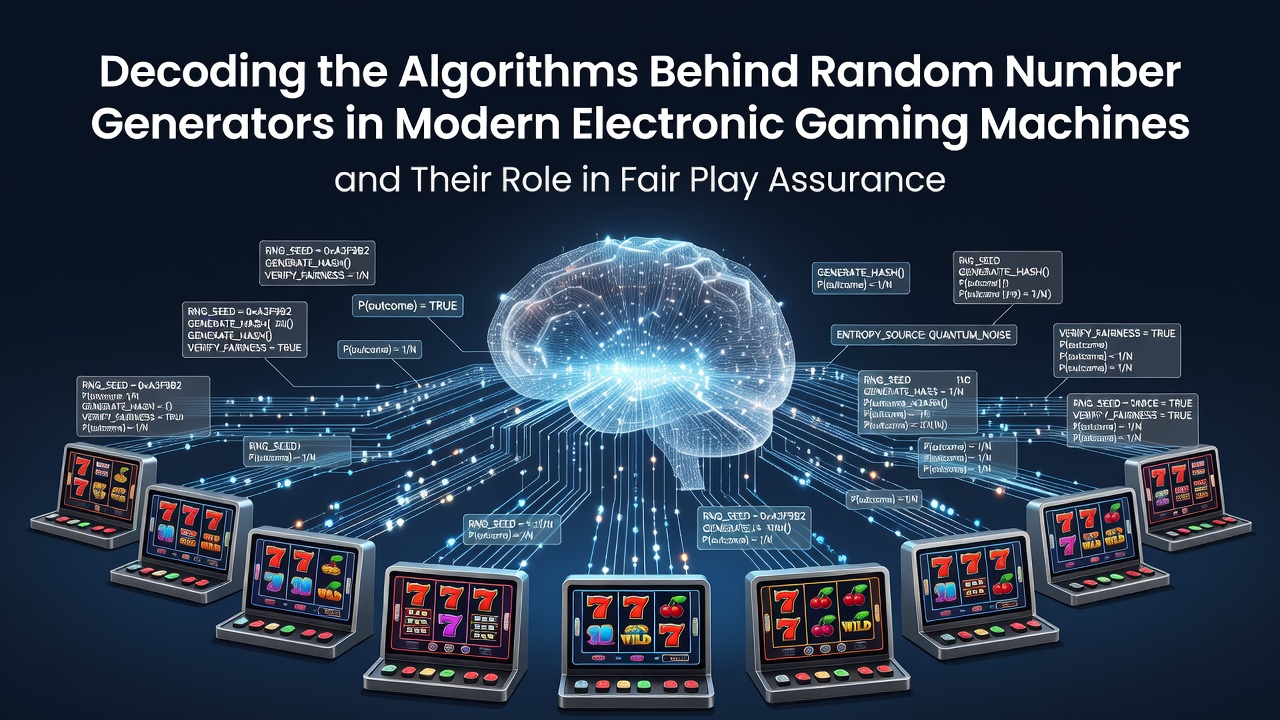
Electronic gaming machines rely on random number generators to determine outcomes and observers note that these systems form the backbone of operations across casinos worldwide. Researchers have examined how algorithms produce sequences that mimic true randomness while meeting strict regulatory standards and data from testing laboratories shows these processes operate continuously even when machines sit idle. In June 2026 regulatory bodies continued to emphasize verification protocols that confirm each spin or hand draws from an unpredictable source yet the underlying code remains deterministic in most commercial implementations.
How Pseudorandom Algorithms Operate Inside Gaming Hardware
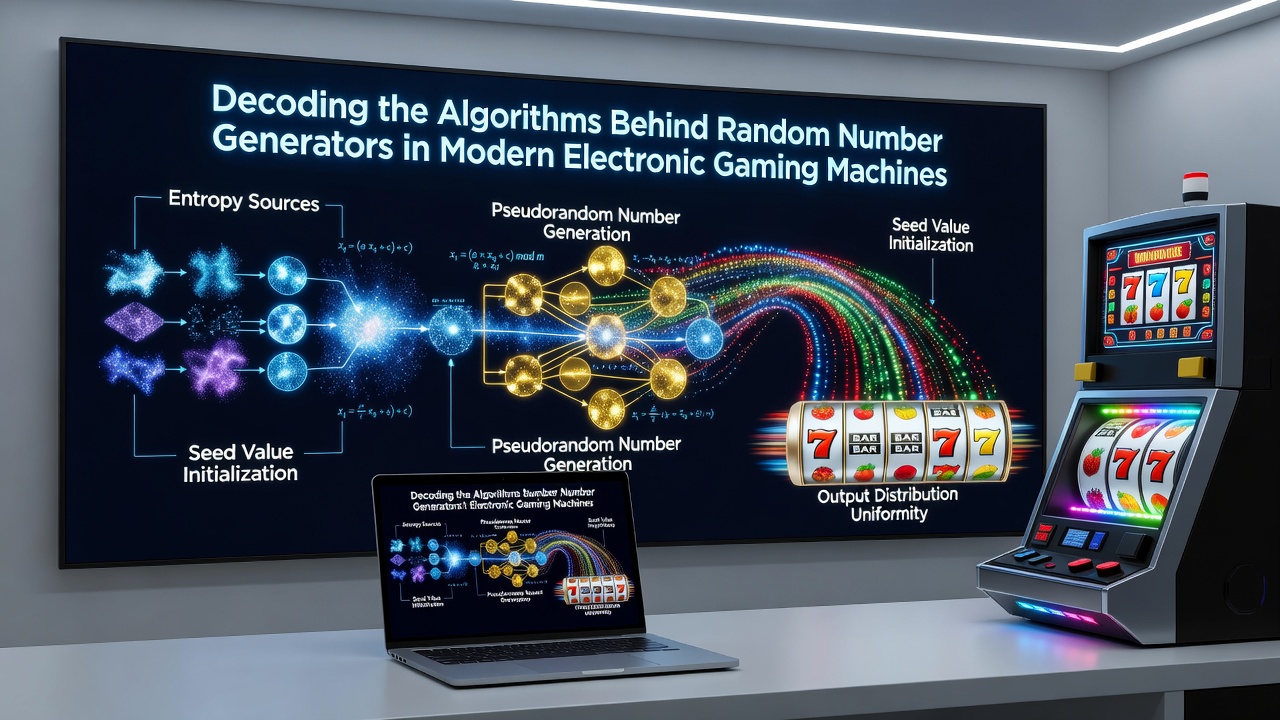
Modern machines typically employ pseudorandom number generators that start from an initial seed value and apply mathematical functions to create long strings of numbers. Engineers integrate these functions into the machine's processor so that each result feeds back into the algorithm to generate the next value and this feedback loop creates sequences long enough to avoid repetition during normal play sessions. Studies indicate that common implementations draw from established methods such as linear congruential generators or more advanced variants that pass statistical test suites required by oversight agencies. Those who have analyzed the hardware confirm that the cycle length often exceeds billions of iterations before any pattern could theoretically repeat and manufacturers embed additional safeguards like frequent reseeding from external entropy sources such as temperature fluctuations or network timing data.
Cryptographic Methods and Their Growing Adoption
Casino operators have shifted toward cryptographic random number generators in recent years because these systems incorporate hash functions and encryption primitives that resist prediction even when partial outputs become known. Laboratories certified by multiple jurisdictions evaluate these implementations against standards that measure resistance to reverse engineering and figures from industry reports reveal increasing deployment rates in both land-based and online platforms. The process involves hashing large blocks of input data drawn from hardware noise sources and the resulting output stream feeds directly into game logic without exposing intermediate states to external observation. Experts have observed that this approach satisfies requirements from regulators in regions including Nevada and parts of Canada where auditors demand proof that no external party can influence results once the seed initializes.
Certification Processes and Laboratory Testing Protocols
Independent testing houses examine every new game title before it reaches the floor and they run millions of simulated spins to verify distribution uniformity across all possible outcomes. According to the Nevada Gaming Control Board documentation these evaluations include checks for bias in symbol placement and confirmation that return-to-player percentages match published figures. Auditors also inspect the source code to ensure that no hidden commands allow manipulation after certification and they seal approved software with digital signatures that machines verify upon startup. Data collected through 2026 shows that rejection rates for initial submissions remain consistent as developers refine integration between the RNG core and the visual display layers.
What's interesting is how these same laboratories now incorporate live monitoring tools that compare actual machine output against expected statistical models during routine inspections. When deviations appear the system flags the unit for immediate review and operators must provide logs that trace every number generated since the last service visit. This continuous oversight complements the initial certification and creates a layered defense against both intentional tampering and unintended coding errors that could skew results.
Contribution to Fair Play Standards Across Jurisdictions
Regulatory frameworks in Australia and several European markets require public disclosure of theoretical return percentages while mandating that RNG behavior remains consistent with those calculations over extended play periods. Gaming associations publish guidelines that detail acceptable deviation thresholds and operators must demonstrate compliance through third-party audits conducted at regular intervals. Players benefit from these measures because each outcome stays independent of previous results and the house edge remains fixed regardless of session length or betting patterns. Research indicates that transparent reporting of RNG certification status helps maintain trust and some jurisdictions now publish lists of approved testing facilities along with their accreditation scopes.
Turns out that integration with central monitoring systems allows regulators to pull real-time statistical samples from thousands of machines simultaneously and analysts compare these samples against theoretical distributions to detect anomalies quickly. When patterns fall outside expected ranges the responsible authority can order a full system audit or temporary shutdown and this capability has expanded notably since earlier generations of standalone machines. The ball remains in the court of manufacturers to design architectures that support such remote verification without compromising security protocols or game performance.
Future Directions in RNG Technology as of Mid-2026
Developments in hardware-based entropy collection continue to influence new machine designs and suppliers explore quantum random sources for specialized high-limit installations although widespread adoption remains limited. Academic papers presented at gaming technology conferences describe hybrid models that combine traditional algorithms with periodic injections of true random bits from external devices and these hybrids aim to balance speed with unpredictability. Observers note that ongoing standardization efforts seek to align requirements across borders so that a machine certified in one region meets criteria elsewhere without repeated full evaluations. The reality is that these technical refinements support regulatory goals of verifiable fairness while accommodating increasing game complexity and faster play speeds demanded by modern venues.
Conclusion
Random number generators sit at the center of electronic gaming integrity and their algorithmic foundations undergo continuous scrutiny from laboratories and regulators alike. Certification programs coupled with ongoing statistical monitoring provide measurable assurance that outcomes remain fair and unpredictable under normal operating conditions. As technology evolves the core principles of independent testing and transparent reporting stay constant and these practices underpin player confidence across global markets.