Examining the Evolution of Reward Systems Within Digital Casino Ecosystems
Written by Iris Richter · May 20, 2026

Examining the Evolution of Reward Systems Within Digital Casino Ecosystems
Digital casino reward systems began with straightforward sign-up incentives during the expansion of internet-based gaming platforms in the late 1990s, and they have since developed into intricate frameworks that leverage data analytics along with behavioral tracking to maintain player engagement across global markets. Observers note that early operators focused on deposit matches and free spins to attract users, whereas current structures emphasize long-term retention through tiered loyalty programs that adjust rewards based on individual activity patterns.
Early Structures and Initial Adaptations
Operators introduced basic point accumulation mechanics in the early 2000s, allowing players to convert gameplay into credits or merchandise, and these systems drew from traditional land-based casino models while adapting to online environments where transaction speeds and accessibility mattered more. Data shows that by 2005 many platforms had implemented VIP clubs with escalating benefits such as dedicated support and higher withdrawal limits, yet these remained largely uniform across user bases without deep personalization. Researchers discovered that competition among emerging sites prompted incremental upgrades, including cashback offers on losses, which helped stabilize participation during periods of market fluctuation.
Take one platform from that era which expanded its reward tiers after noticing retention rates improve when players received weekly bonuses tied to consistent deposits, and similar adjustments spread as operators monitored competitor responses in real time. The reality is that regulatory changes in various jurisdictions further shaped these offerings, with requirements for transparent terms leading to clearer point valuation systems that reduced disputes over redemption values.
Integration of Advanced Technologies
Technological progress accelerated the shift toward dynamic reward systems around 2015, when mobile apps enabled real-time tracking and instant notifications about available perks, and this connectivity allowed platforms to analyze session data for tailored promotions that matched player preferences more precisely. Studies found that artificial intelligence applications began segmenting users into behavioral clusters, delivering targeted free spins or bonus rounds to those who favored specific game types, which in turn increased average session durations according to aggregated industry figures. But here's the thing: blockchain integration emerged later as a means to verify reward transactions transparently, particularly in regions where players sought provable fairness in point distributions.
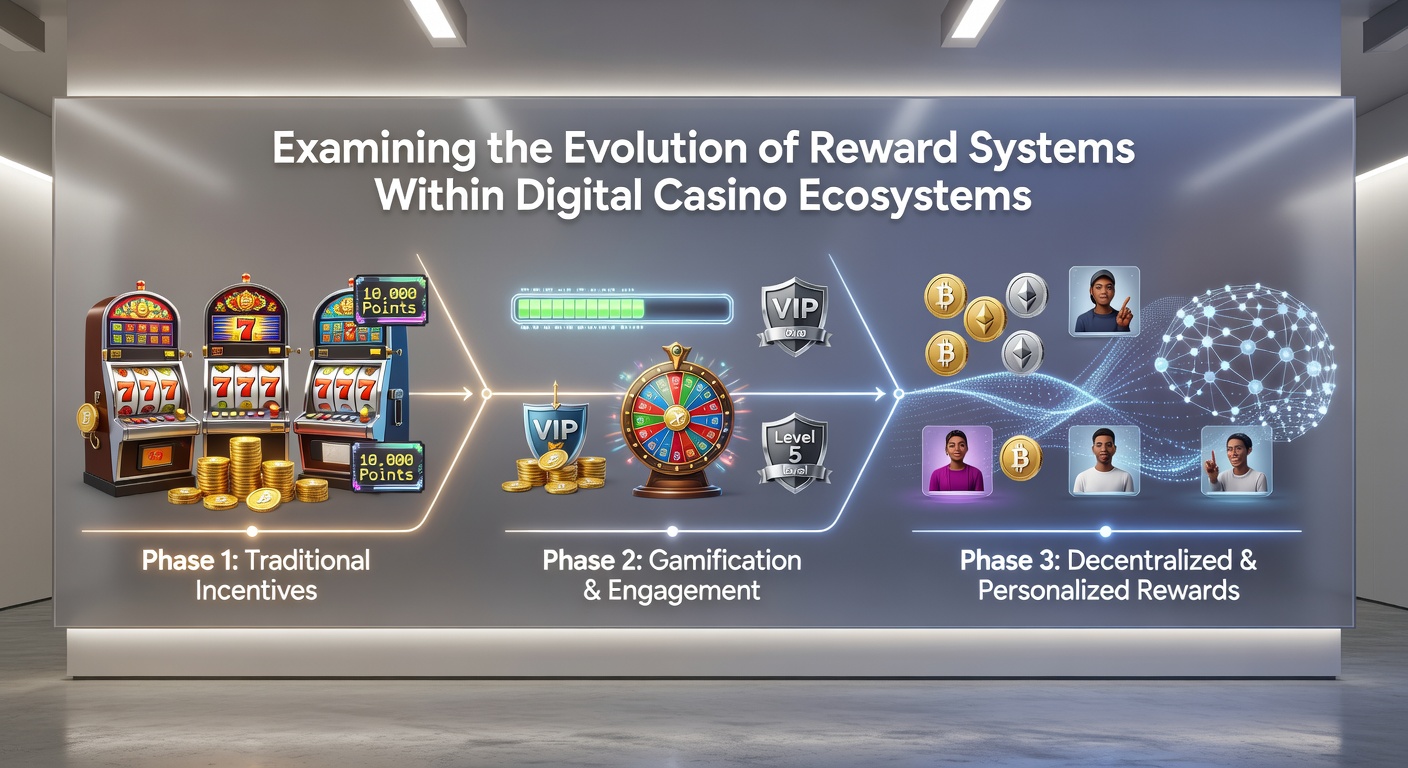
What's interesting is how platforms incorporated gamification elements such as progress bars adn achievement badges into loyalty interfaces by 2020, turning routine play into structured challenges that rewarded milestones with exclusive tournament entries. One study revealed that these features correlated with higher engagement levels among younger demographics, prompting wider adoption across multiple operators. And operators in competitive markets like those tracked by the American Gaming Association adjusted their systems accordingly to stay ahead of shifting player expectations.
Regulatory Developments and Market Responses in 2026
By May 2026 several jurisdictions had updated guidelines on bonus disclosures and responsible gaming integrations within reward programs, requiring clearer communication about wagering requirements and opt-out options for promotional offers. Figures from Canadian regulatory reviews indicate that these adjustments aimed to balance operator incentives with player safeguards, leading some ecosystems to introduce self-imposed spending caps linked directly to loyalty accounts. Experts have observed that such measures encouraged platforms to diversify rewards beyond monetary credits, incorporating non-cash options like exclusive event access or merchandise that appealed to a broader audience.
There's this case where European operators responded to similar pressures by collaborating with research institutions on studies examining long-term effects of loyalty structures, and results highlighted the value of voluntary limit tools embedded within reward dashboards. So platforms began testing hybrid models that combined traditional points with cryptocurrency-based bonuses, expanding appeal in areas where digital currencies saw growing acceptance. Data indicates these experiments maintained compliance while testing new engagement vectors.
Emerging Patterns and Cross-Platform Influences
Observers note that social features now appear more frequently in reward systems, where players earn group bonuses through shared challenges or referrals, and this approach mirrors trends in other digital entertainment sectors that prioritize community building. Academic analyses from Australian research centers show correlations between these social elements and sustained participation rates, especially when rewards included leaderboard prizes or collaborative jackpots. Yet integration with live dealer interfaces has added another layer, letting users accumulate points across both automated slots and interactive table games within unified accounts.
People who've tracked these changes often discover that partnerships between casino platforms and third-party developers have accelerated innovation, bringing in elements like augmented reality filters for virtual reward celebrations. Reports from the New Jersey Division of Gaming Enforcement document how such collaborations require ongoing audits to ensure fairness in point calculations. The writing's on the wall that continued evolution will likely tie rewards more closely to broader entertainment ecosystems, including streaming integrations and cross-brand experiences.
Conclusion
Reward systems in digital casino environments have progressed from simple promotional tools to complex, data-informed structures that respond to both technological capabilities and regulatory frameworks. Evidence suggests ongoing adaptations will continue as operators refine personalization methods while maintaining compliance across diverse markets, and historical patterns indicate that flexibility remains central to sustaining user interest over extended periods.