Exploring intersections between seasonal tourism patterns and real-time adjustments in virtual gaming interface designs across global platforms
Written by Sam Zimmermann · Jun 17, 2026

Exploring intersections between seasonal tourism patterns and real-time adjustments in virtual gaming interface designs across global platforms
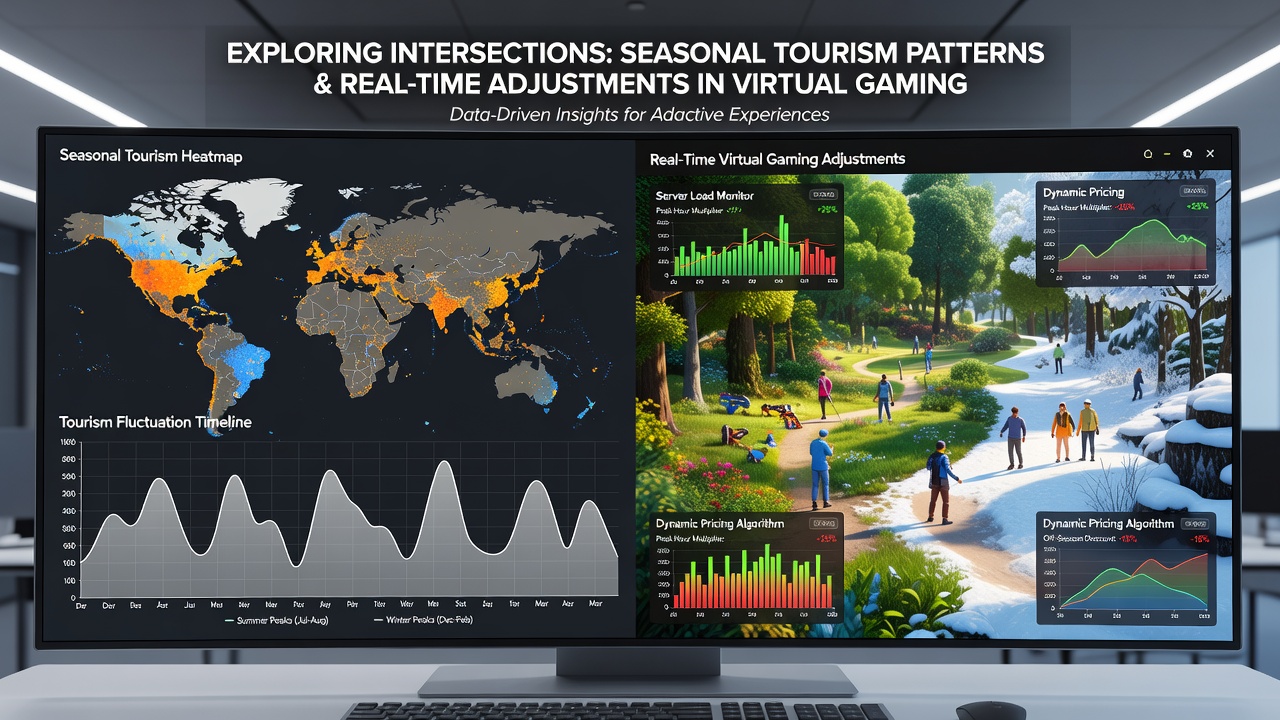
Seasonal tourism waves create measurable shifts in player locations and activity levels on virtual gaming platforms, prompting developers to implement real-time interface modifications that align with these fluctuations. Data collected across multiple jurisdictions shows increased logins from resort regions during summer months, while shoulder seasons produce different engagement clusters that operators track through geolocation analytics. These patterns emerge consistently year after year, allowing platforms to prepare adaptive layouts that respond to user density changes without manual intervention.
How Tourism Cycles Shape Player Distribution
Coastal destinations in southern Europe and Southeast Asia draw large visitor volumes between May and September, and gaming platforms register corresponding spikes in sessions originating from those coordinates. Operators monitor these movements through aggregated location data, then trigger interface adjustments such as simplified navigation menus or localized promotional banners that appear automatically once traffic thresholds are met. Research from hospitality analytics firms indicates that Mediterranean tourist arrivals correlate with a 22 percent rise in mobile gaming sessions during July peaks, a pattern repeated across several platforms serving international audiences.
Winter tourism in alpine regions produces its own set of adjustments. Ski resort visitors generate concentrated activity windows in the evenings after daily activities conclude, leading platforms to emphasize quick-load table interfaces and reduced animation sequences that accommodate slower resort Wi-Fi connections. These modifications activate through rule-based systems tied to seasonal calendars rather than individual user requests.
Real-Time Design Adaptations Across Platforms
Global operators deploy modular interface components that swap in response to live traffic feeds. During June 2026, several major platforms activated summer-themed color schemes and condensed lobby layouts for users accessing services from high-tourism zones in Spain, Thailand, and parts of Australia. The changes reduced scroll depth on mobile screens while increasing visibility of time-limited events tied to local festivals occurring in those same destinations.
Technicians program these responses through APIs that pull from tourism board statistics and internal session logs simultaneously. When inbound traffic from a particular region exceeds baseline levels by fifteen percent for more than two consecutive days, the system initiates preset design variants without requiring separate approval cycles. Observers note that such automation maintains consistent performance even when player numbers shift rapidly due to weather disruptions or flight schedule changes.
Regional Examples and Platform Responses
Platforms serving North American and European markets have documented distinct summer behaviors around major sporting events that coincide with vacation periods. Interface teams prioritize live-stream integration and reduced menu hierarchies during these windows, since players often access games through tablets in transient locations such as hotels or cruise ships. Similar adjustments appear in Asian markets during Lunar New Year travel surges, where platforms emphasize red-accented themes and faster deposit pathways to match heightened transaction volumes.
One documented case involved a platform adjusting its entire rewards carousel display for users detected within 50 kilometers of popular Australian beach destinations throughout December and January. The modification highlighted time-sensitive bonuses aligned with local holiday calendars while maintaining standard layouts for all other regions. Traffic logs showed sustained session lengths after the update, suggesting the localized presentation matched visitor routines during peak tourism weeks.
Data Integration and Technical Implementation
Developers integrate external datasets from national tourism organizations with proprietary telemetry to refine prediction models. These models forecast daily active user changes up to 72 hours in advance, giving design systems time to preload appropriate visual assets. European regulatory filings from 2025 detail how several operators disclosed their use of such predictive tools to maintain service stability during known travel peaks, without compromising data privacy standards.
Testing protocols require that any real-time change preserves core functionality across device types. Engineers run parallel simulations using historical tourism data from previous years before deploying updates, ensuring that sudden weather-related flight cancellations do not leave players with mismatched interfaces. The process relies on feature flags that allow instant rollback if performance metrics deviate from expected ranges.
Conclusion
Seasonal tourism patterns continue to supply reliable signals that virtual gaming platforms convert into automated interface adjustments. By linking external visitor statistics with internal traffic monitoring, operators maintain responsive designs that scale across time zones and device conditions. Continued refinement of these systems through 2026 demonstrates how location-aware development practices have become standard infrastructure rather than experimental features on major global platforms.