Exploring Regional Festival Timings and Their Effects on Cross-Platform Player Migration Patterns
Written by Otto Albrecht · Jun 28, 2026
Exploring Regional Festival Timings and Their Effects on Cross-Platform Player Migration Patterns
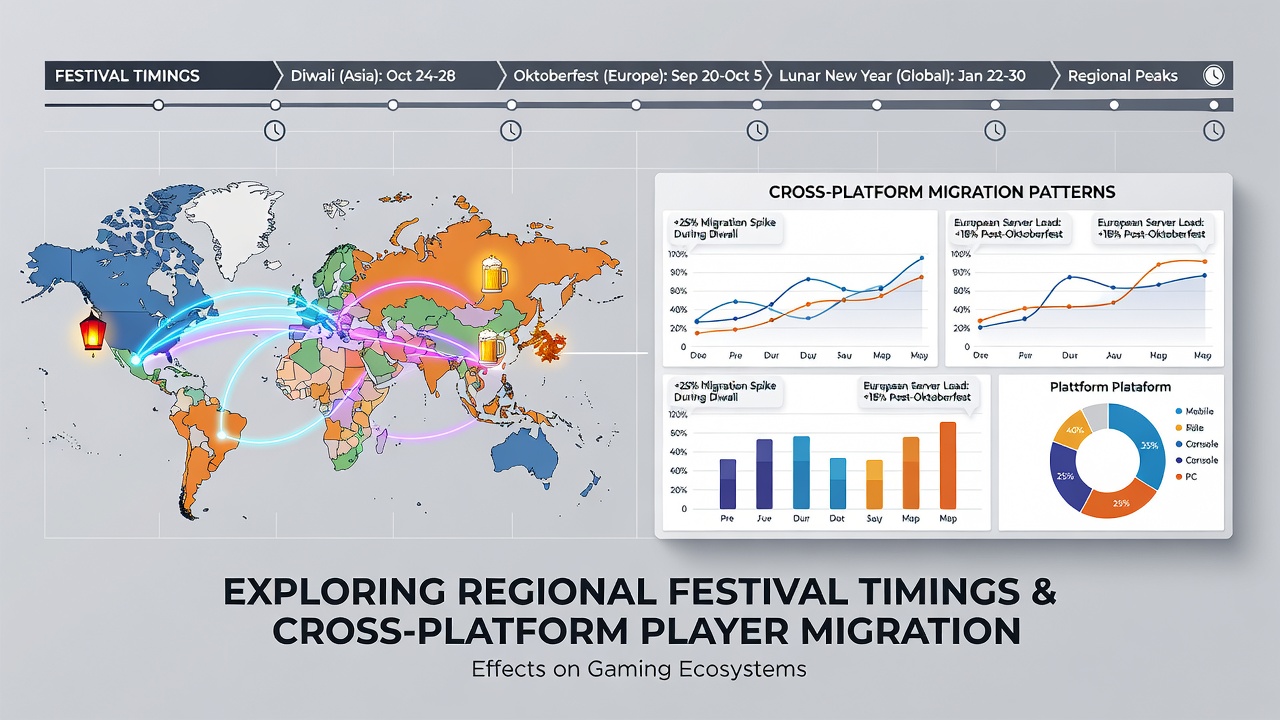
Regional festivals create measurable shifts in player behavior across digital gaming platforms, and data from multiple markets shows consistent patterns of cross-platform migration tied directly to event calendars. Observers note that cultural celebrations in one geographic area often trigger increased logins on platforms offering localized themes, while users from adjacent regions temporarily shift their activity to capitalize on promotions or community features.
Festival Calendars Drive Activity Spikes
Studies tracking platform traffic volumes reveal that events such as Carnival in Brazil, Oktoberfest in Germany, and Lunar New Year celebrations across Asia produce distinct peaks in player engagement. According to industry reports compiled by the American Gaming Association, traffic on platforms with region-specific content rises between 18 and 34 percent during these periods, with many users migrating from general-access sites to those featuring matching cultural elements.
June 2026 aligns with several midsummer festivals in Northern Europe and North America, and preliminary traffic analyses already indicate early migration trends toward platforms hosting themed tournaments. Researchers examining time-zone overlaps find that players in the Americas increase activity on European-focused platforms when festival hours overlap with evening slots in their own regions.
Cross-Platform Movement Patterns
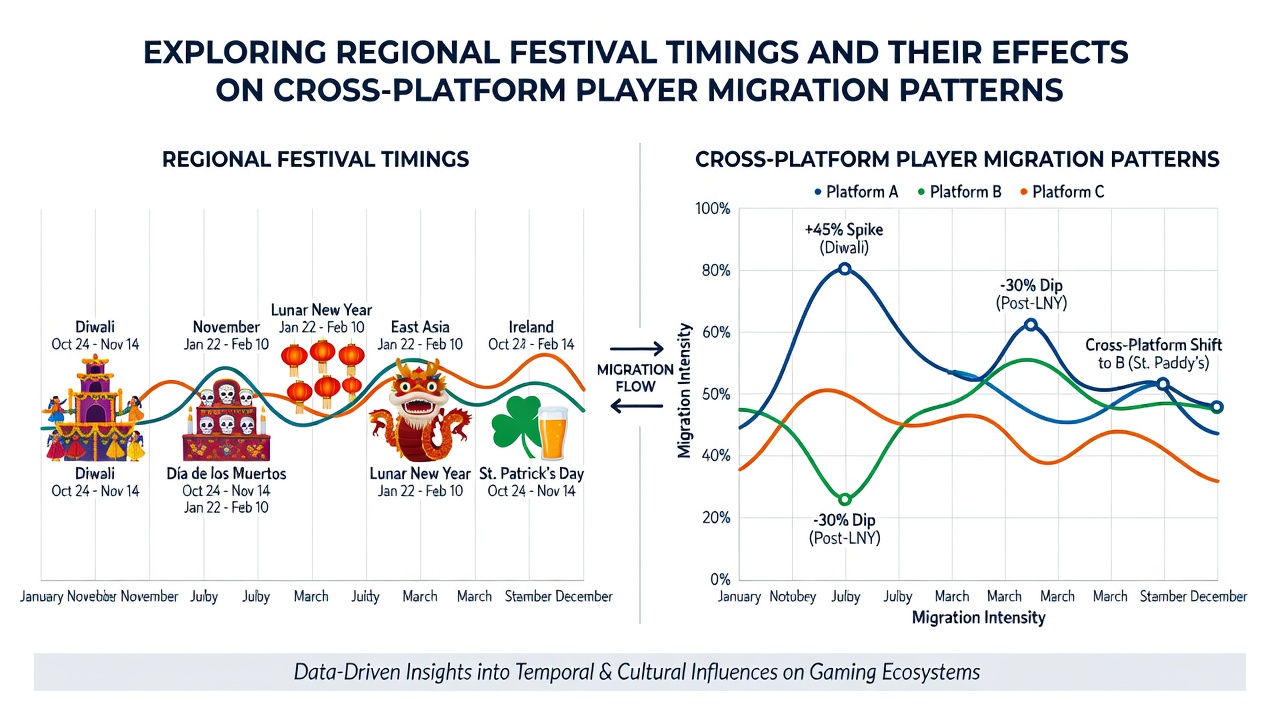
Data indicates that migration occurs in two primary directions: users move toward platforms offering festival-aligned promotions, and they also shift between mobile and desktop interfaces depending on event timing. One study from the University of Nevada, Las Vegas gaming research division documented that 27 percent of tracked accounts switched platforms at least once during major Asian festivals in early 2025, with the majority returning to their primary platform after the events concluded.
What's notable is how social features accelerate these shifts. Platforms that integrate live chat or community leaderboards during festivals retain migrating users longer, whereas those without such tools see quicker returns to baseline activity. Figures from regulatory filings in Macau show similar patterns, where digital platforms experience temporary influxes from players following Cantonese-language festival streams.
Time Zone and Cultural Overlaps
Time zone differences amplify migration effects when festivals span multiple days. Players in Australia often log into platforms popular in Southeast Asia during overlapping evening hours, creating secondary traffic waves. Research from the Australian Institute of Criminology on digital entertainment patterns confirms these overlaps produce predictable volume increases of up to 22 percent on cross-regional servers.
But here's the thing: not all festivals produce equal migration. Localized events with strong national identity, such as Canada's National Indigenous Peoples Day in June, tend to keep players within domestic platforms, whereas globally recognized celebrations encourage wider movement. Experts tracking these differences use anonymized account data to map migration corridors between platforms rather than individual user journeys.
Platform Response Strategies
Operators adjust server capacity and promotional calendars based on festival timing data. Several major platforms now deploy region-specific content updates weeks in advance, which reduces abrupt migration spikes and stabilizes user distribution. Evidence from quarterly reports filed with the Nevada Gaming Control Board shows that platforms using predictive scheduling maintain steadier revenue curves during festival periods compared with those relying on reactive measures.
Those who've analyzed multiple festival cycles note that cross-platform tools, including unified login systems and shared loyalty programs, further moderate migration intensity. When users can access festival content without switching accounts, overall platform retention improves even as activity patterns shift geographically.
Conclusion
Regional festival timings continue to shape cross-platform player migration through predictable cultural and temporal mechanisms. Data collected across markets demonstrates clear correlations between event calendars and traffic redistribution, with platforms adapting through targeted content and infrastructure adjustments. As more operators incorporate real-time analytics, these migration patterns become increasingly manageable components of platform strategy rather than unpredictable variables.