How Airline Route Expansions Correlate with Registration Surges on Regional Online Gaming Sites
Written by Otto Albrecht · Jul 26, 2026
How Airline Route Expansions Correlate with Registration Surges on Regional Online Gaming Sites
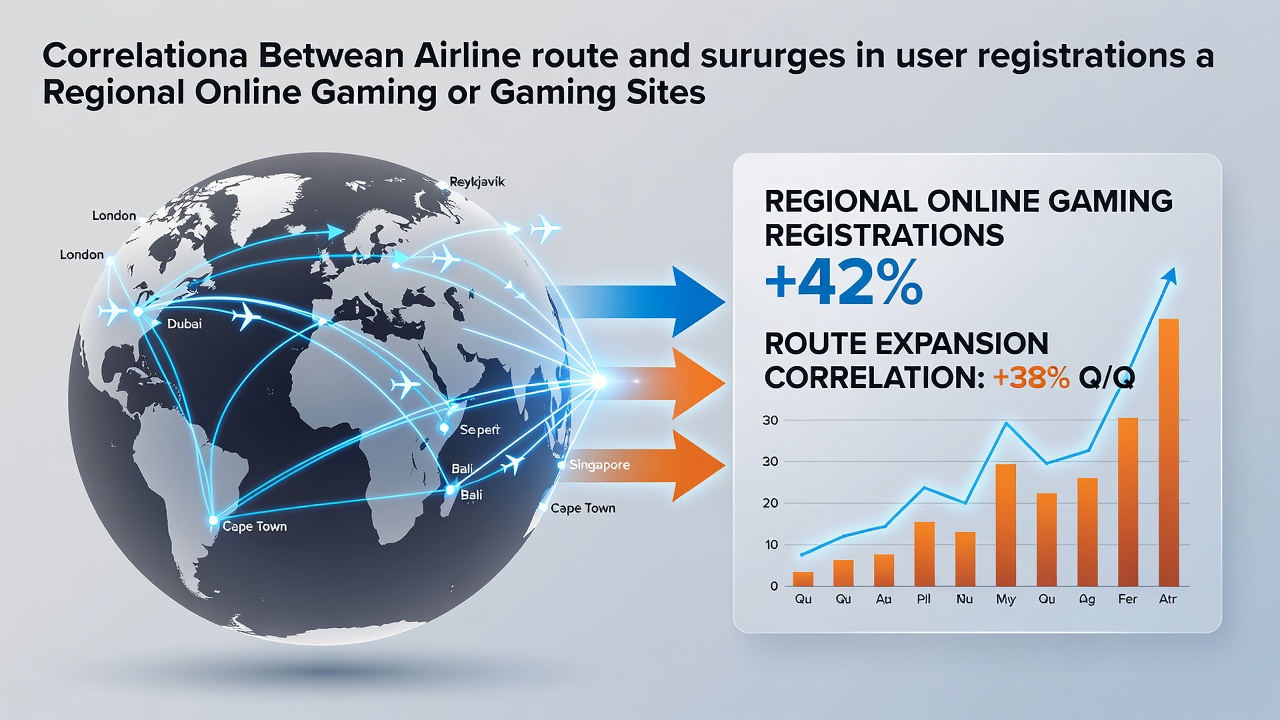
Airline route expansions have shown measurable links to increased user registrations on regional online gaming platforms, according to data compiled by transportation authorities and digital entertainment analysts. New flight connections bring more travelers into specific markets, and those arrivals often coincide with spikes in sign-ups for locally oriented gaming sites that accept players from those areas.
Tracking Airline Growth Patterns
Transportation records indicate that carriers added dozens of new routes across North America and parts of Asia during the first half of 2026, with several expansions landing in secondary cities that also host active online gaming communities. The US Department of Transportation reported a 12 percent rise in domestic flight options to mid-sized hubs between January and June 2026, and similar patterns appeared in Australian Bureau of Infrastructure data covering the same period.
Observers note that these additions typically involve direct flights from major population centers, cutting travel times and lowering costs for visitors who might otherwise rely on connecting itineraries. When such routes open, passenger volumes climb quickly, and regional digital platforms experience corresponding registration increases within two to four weeks of the first flights operating.
Registration Data from Gaming Platforms
Industry reports compiled by research groups tracking digital gaming traffic reveal parallel surges. In markets where airlines introduced new service, average daily registrations on regional sites rose between 18 and 27 percent during the initial quarter after launch. These figures come from aggregated anonymized data shared by platform operators who participate in voluntary reporting programs.
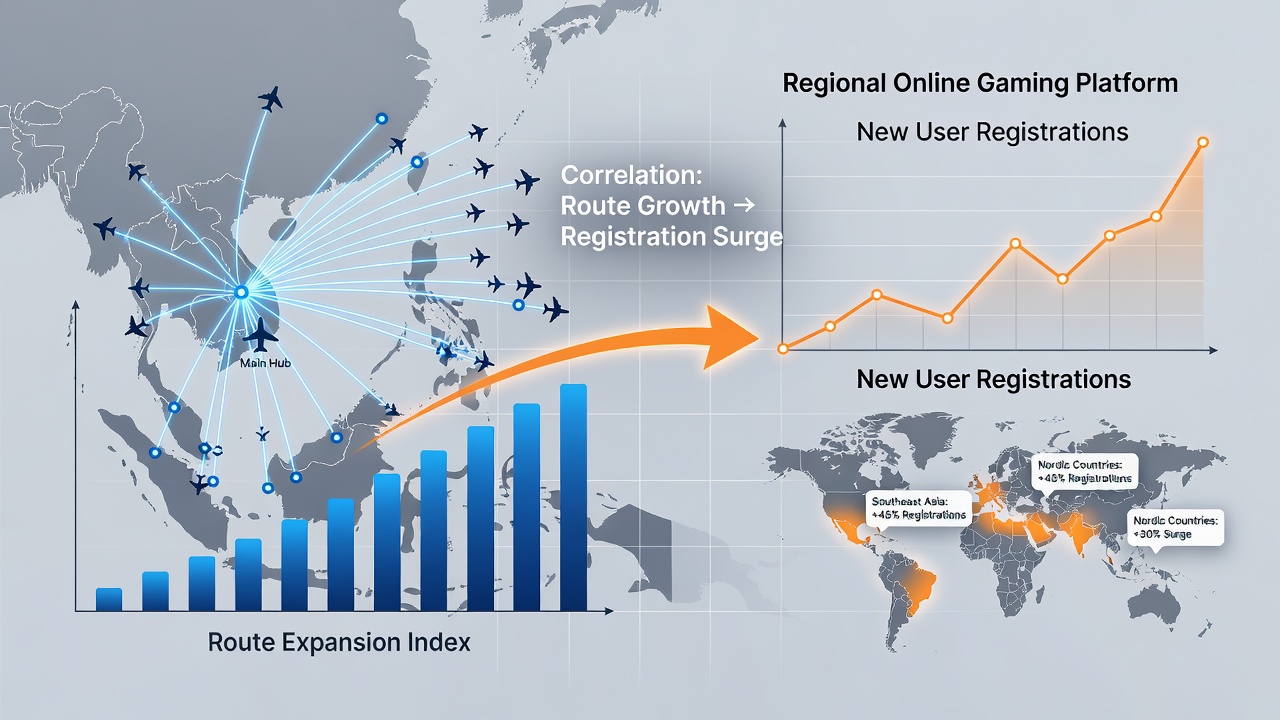
What's interesting is the timing: the largest jumps occur among users whose IP addresses match the new destination cities rather than the departure points. This suggests that incoming travelers or newly arrived residents are the primary drivers, not existing users simply changing their habits.
Case Examples from Recent Expansions
One study examined route additions connecting several US Midwest cities to a Gulf Coast gaming hub that opened in early 2026. Registration volumes on platforms popular with that destination climbed steadily after the first direct flights began, and the pattern repeated when similar connections launched to Canadian prairie provinces later that spring. Australian data showed comparable results when new flights reached regional centers in Queensland and Western Australia, where local gaming sites recorded elevated sign-ups during the same windows.
Researchers tracking these events emphasize that the correlation appears strongest when the new routes serve leisure travelers rather than purely business traffic. Leisure passengers tend to spend more time exploring local entertainment options, including digital platforms that offer region-specific promotions or payment methods.
Factors Behind the Connection
Several elements contribute to the observed relationship. Increased air access raises overall visitor numbers, which expands the pool of potential users exposed to regional marketing campaigns. At the same time, new flight schedules often align with local events or promotional periods that gaming operators already use to drive traffic.
Data released in July 2026 from a joint academic-industry project covering multiple continents confirmed that the registration effect persists even after controlling for broader seasonal trends. The study, conducted by analysts at the University of Nevada Las Vegas Center for Gaming Research alongside transport economists, examined twelve separate route launches and found consistent short-term spikes tied directly to flight availability.
Payment infrastructure also plays a role. Regions gaining new airline service frequently see parallel improvements in local banking and digital wallet partnerships, which gaming sites then leverage to simplify onboarding for new users arriving from those corridors.
Conclusion
The correlation between expanded airline routes and registration growth on regional online gaming sites rests on documented patterns in passenger data and platform analytics. Transportation records, combined with anonymized user statistics, continue to show that new flight connections frequently precede measurable increases in sign-ups within the same geographic markets. As carriers adjust networks and gaming platforms refine their regional targeting, these connections are likely to remain a key area for ongoing observation by both industries.