How Cultural Festivals Drive Fluctuations in Regional Online Gaming Participation Rates
Written by Iris Richter · Jul 29, 2026
How Cultural Festivals Drive Fluctuations in Regional Online Gaming Participation Rates
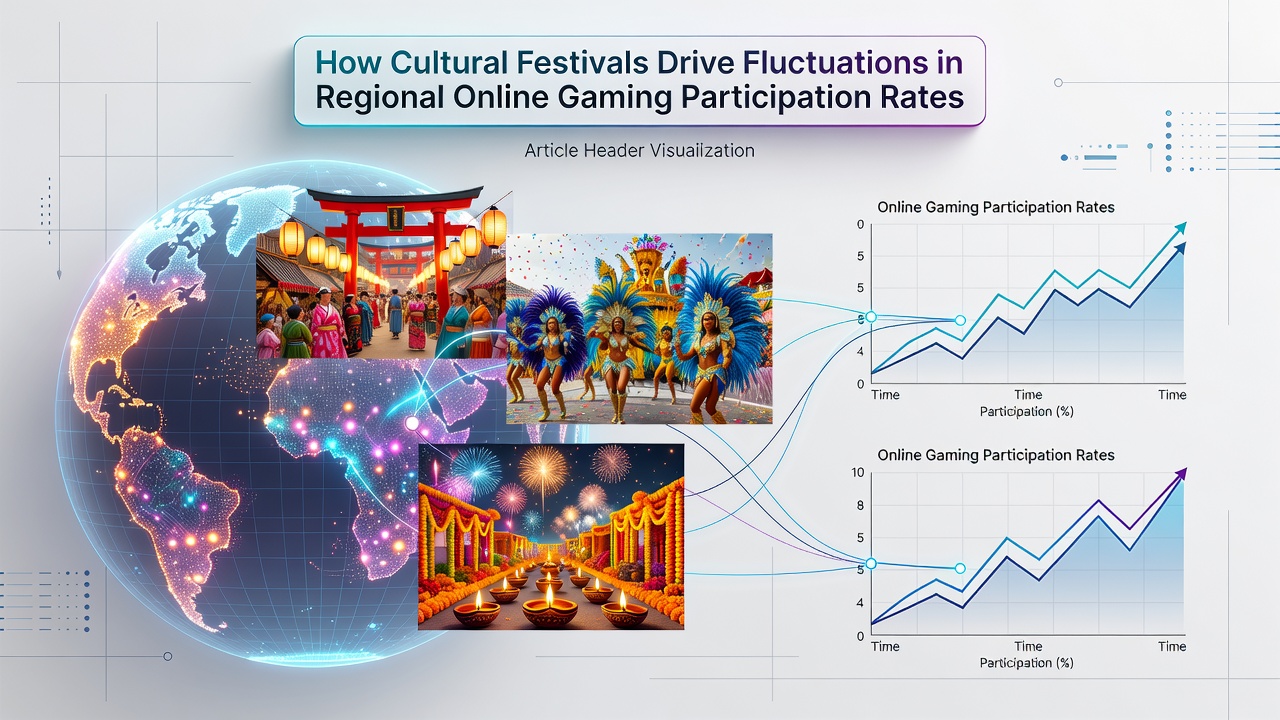
Regional online gaming participation rates shift noticeably during cultural festivals because these events alter daily routines, social priorities, and available leisure time across entire communities. Data from multiple markets shows consistent patterns where participation drops during peak festival days yet rebounds sharply in the following weeks when participants return to screens after family obligations subside. Observers note that timing, location, and festival scale all contribute to measurable changes tracked by platform analytics firms.
Patterns Observed Across Asian Markets During Lunar New Year Periods
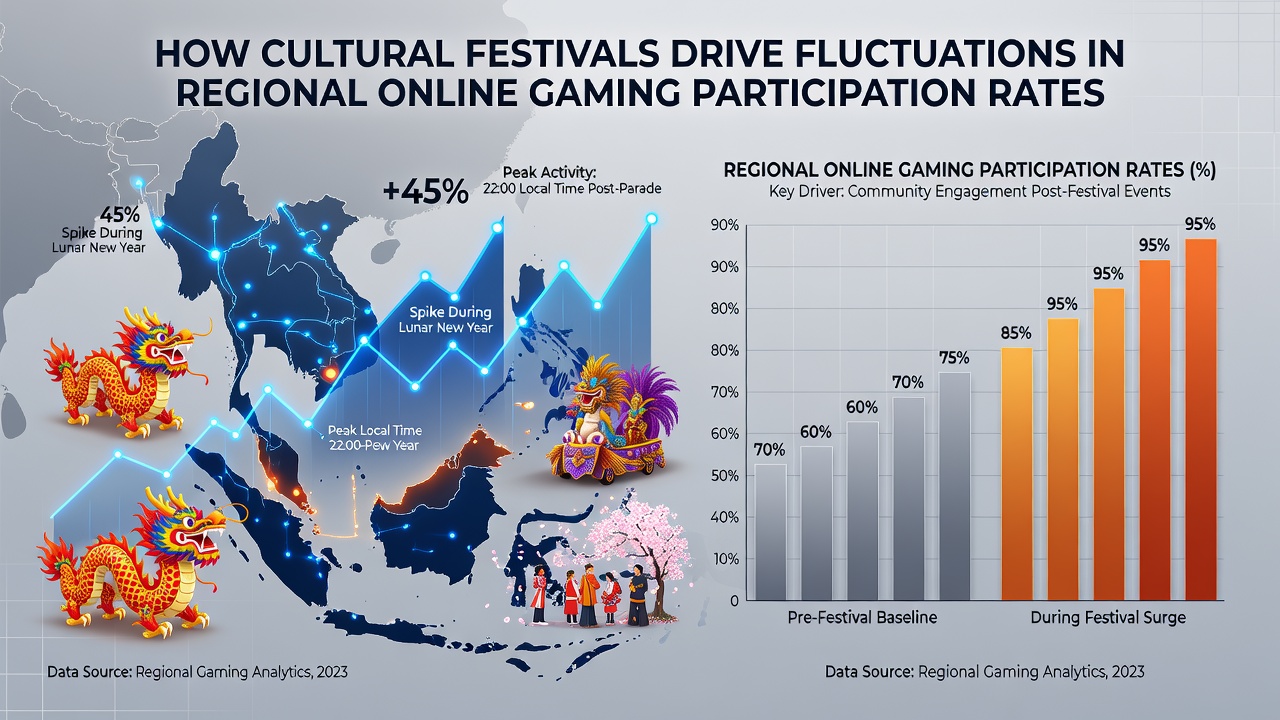
Chinese New Year celebrations produce some of the clearest documented dips in online gaming activity throughout East and Southeast Asia. Families gather for multi-day reunions, travel spikes, and public events that pull users away from devices during the first three to five days of the lunar calendar shift. Platform operators in Singapore and Malaysia report traffic reductions of up to 35 percent on the first two days of celebrations, according to aggregated anonymized session data shared with industry analysts. Yet participation climbs again once workplaces reopen, with many users extending play sessions to compensate for missed time.
Japanese Golden Week in late April and early May creates a similar but shorter cycle. Researchers tracking mobile gaming applications found that daily active users fall during national holidays clustered around the week, then rise steadily as people resume commuting and evening routines. The recovery phase often lasts two weeks and produces higher average session lengths than pre-holiday baselines.
European Carnival and Summer Festival Effects on Participation Metrics
Carnival celebrations in Germany, Italy, and parts of Spain generate localized but significant swings in online gaming volumes. Cities hosting large street parades see participation drop during daytime hours when public events dominate attention, while evening hours sometimes maintain steady numbers because participants extend play after returning home. Studies conducted across multiple Carnival seasons indicate that regional platforms experience 18 to 22 percent lower login rates on parade days compared with the preceding month.
Longer summer festivals such as those held in Scandinavia and the Baltic region produce different outcomes. Extended daylight hours combined with outdoor activities reduce overall screen time, yet some users increase short-session mobile play during travel between festival sites. Data collected through 2025 and into mid-2026 shows these micro-sessions offset part of teh daytime decline but rarely restore full baseline volumes until festivals conclude.
North American Holiday Clusters and Measurable Traffic Shifts
Thanksgiving and Christmas periods in the United States and Canada create predictable patterns tracked by multiple gaming operators. Participation falls during family travel windows yet rises during the week between Christmas and New Year when many people take time off work. Figures released by Canadian regulatory bodies indicate average session durations increase by 12 percent in that post-holiday week, while total unique users dip slightly because some households share devices during gatherings.
Independence Day events in July produce shorter but sharper daily fluctuations. Evening fireworks displays coincide with temporary drops in login activity that recover within hours once celebrations end. In July 2026 analysts expect similar short-term dips followed by weekend rebounds, consistent with patterns recorded in previous years.
Underlying Factors That Shape Participation Changes
Several elements combine to drive these fluctuations. Increased family and community obligations reduce available private time, while travel disrupts consistent internet access for some users. Conversely, festivals create new social topics that sometimes prompt online discussions within gaming communities after events conclude. Platform operators adjust marketing and bonus schedules around known festival calendars to maintain engagement during transition periods.
Weather patterns tied to outdoor festivals also influence outcomes. Rainy periods during normally outdoor events can push more users indoors and onto devices, partially offsetting expected declines. Studies examining weather-adjusted data across multiple regions confirm that precipitation during major events correlates with smaller drops in participation rates.
Research Sources Tracking These Regional Trends
Government statistical agencies and academic research teams continue to publish reports that help map these connections. Statistics Canada has released analyses linking holiday timing to changes in digital leisure activities across provinces. Separate work from Japanese university research groups has examined mobile application usage during Golden Week windows, producing comparable findings on post-festival recovery phases. These sources provide the foundation for operators seeking to anticipate volume shifts without relying on single-market assumptions.
Conclusion
Cultural festivals generate measurable, recurring fluctuations in regional online gaming participation rates through changes in social schedules, travel, and community priorities. The timing and scale of these shifts vary by region and event type, yet recovery patterns remain consistent enough for platforms to incorporate them into operational planning. Ongoing data collection from regulatory bodies and research institutions continues to refine understanding of how these cultural rhythms interact with digital engagement across different markets.