How Regional Economic Signals Influence Engagement Trends in Hybrid Virtual and Live Dealer Platforms
Written by Otto Albrecht · Aug 26, 2026
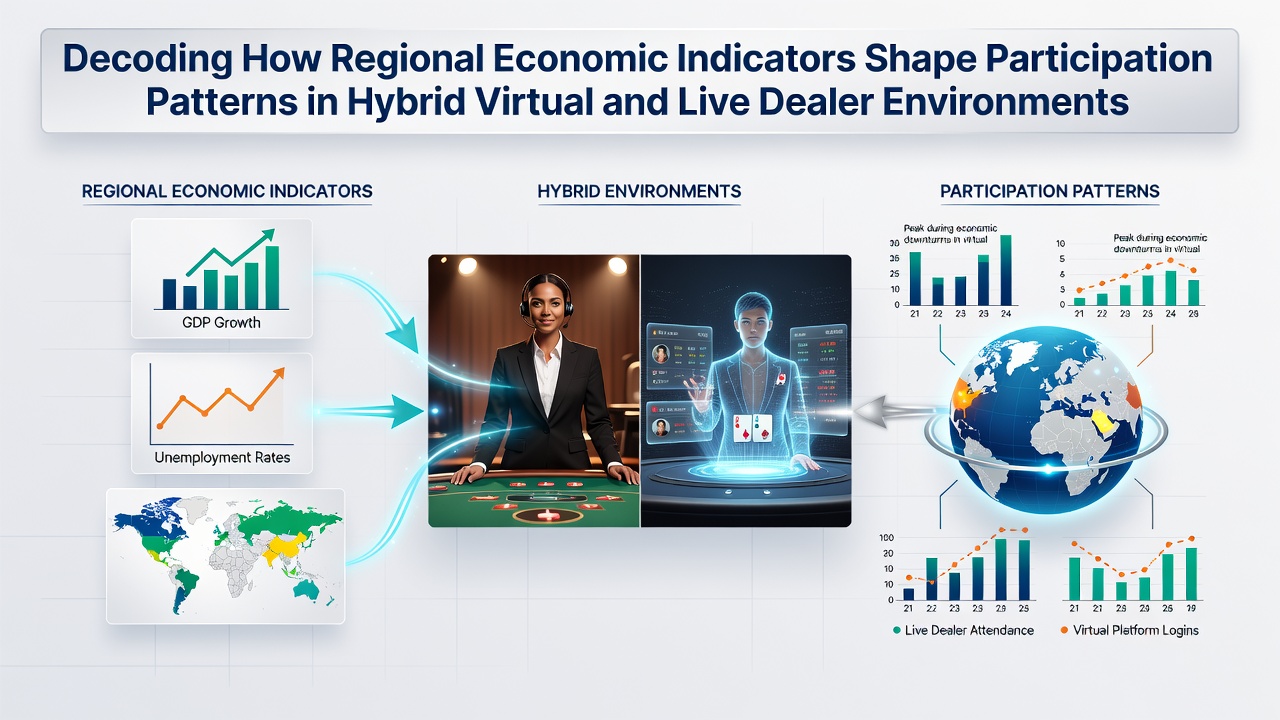
How Regional Economic Signals Influence Engagement Trends in Hybrid Virtual and Live Dealer Platforms
Data from multiple markets shows that unemployment rates, household income levels, and consumer confidence indices correlate with changes in how players allocate time between virtual slot sessions and interactive dealer tables, and these patterns shift noticeably when local economies experience contraction or expansion phases.
Tracking Key Indicators Across Markets
Researchers at various institutions have compiled participation logs alongside macroeconomic releases, and the resulting datasets reveal consistent links between disposable income fluctuations and session durations on hybrid platforms, while GDP growth in a given area often aligns with increased live dealer table entries during evening hours.
Take one analysis covering North American and Asian regions where quarterly employment figures from August 2026 indicated rising joblessness in manufacturing hubs; those areas recorded measurable drops in premium live dealer buy-ins, yet virtual game volumes held steady or grew modestly as users sought lower-stakes alternatives.
Income Levels and Play Format Preferences
Statistics Canada reports demonstrate that regions experiencing above-average wage growth sustain longer hybrid sessions that blend quick virtual spins with occasional live dealer interactions, whereas areas facing stagnant wages show sharper preference for automated virtual environments that require smaller per-round commitments.
Similar patterns appear in Australian Bureau of Statistics releases, where household spending surveys align with platform traffic spikes during periods of resource sector strength, and those surges concentrate on mixed-format tables that allow seamless switching between digital reels and streamed dealer games.
Observers note that currency valuation swings also play a role, since weaker local currencies raise the effective cost of international platform fees and push participants toward virtual-only modes that carry lower transaction overhead.
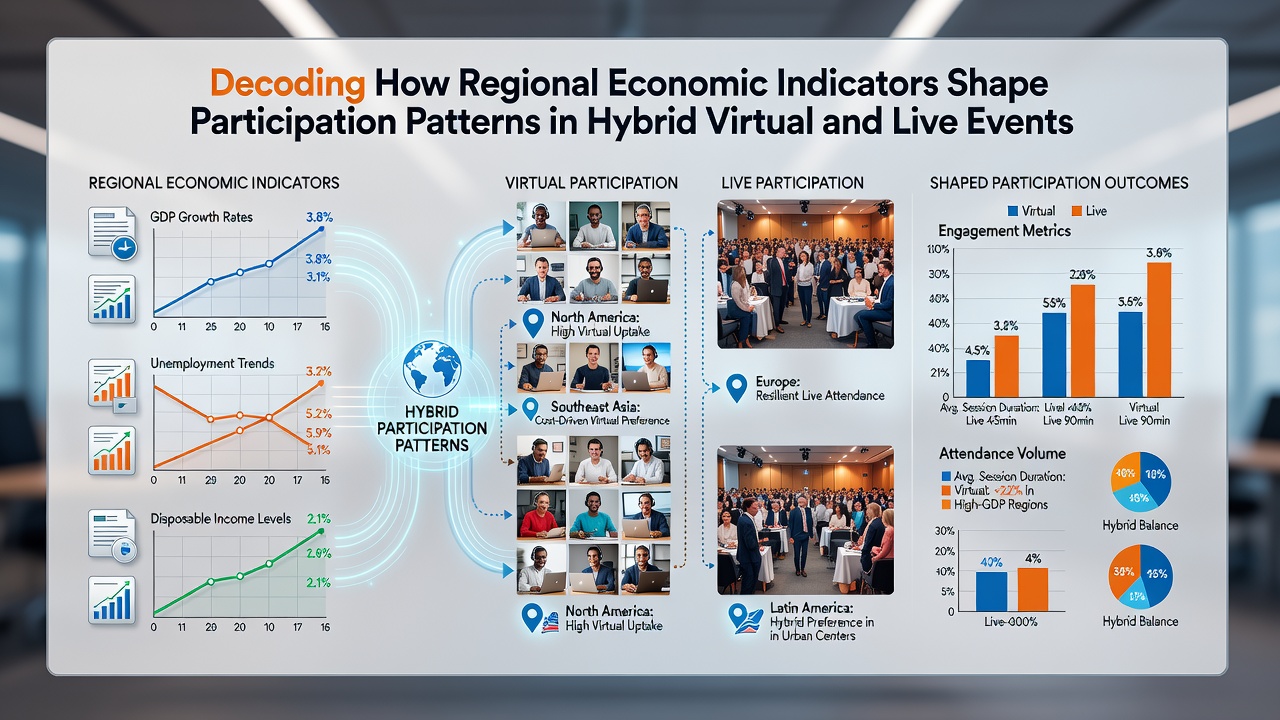
Geographic Variations in August 2026 Data
Figures compiled through mid-2026 illustrate that European markets tied to tourism and service industries displayed steadier hybrid participation even amid modest inflation, while North American industrial zones showed more pronounced migration toward virtual segments when factory output metrics declined.
One study released that summer examined cross-border player logs and found that live dealer engagement in Singapore-linked platforms remained resilient during regional equity market rallies, yet virtual traffic dominated when neighboring economies posted contraction warnings.
Consumer Confidence and Session Timing
Evidence from academic papers published by research consortia indicates that monthly consumer sentiment indices predict the ratio of virtual to live dealer minutes quite accurately, with lower confidence correlating to shorter live sessions and more fragmented virtual play throughout the day.
Those who've examined time-stamped transaction records across multiple operators observe that players in high-unemployment districts often initiate sessions later at night and favor shorter virtual bursts rather than extended dealer interactions that carry higher perceived risk.
Industry associations tracking platform metrics have documented parallel movements in South American markets, where commodity price rallies coincide with renewed interest in hybrid formats that combine progressive virtual jackpots and scheduled live table events.
Platform Adaptations to Regional Signals
Operators have adjusted promotional structures and game availability based on these correlations, and data shows that targeted virtual-heavy lobbies appear more frequently in regions posting weaker economic prints, while live dealer capacity expands during periods of stronger local retail sales figures.
Regulatory filings from various gaming oversight bodies further confirm that average deposit sizes track regional wage reports closely, and hybrid environments that permit easy toggling between formats capture a larger share of available spend when economic indicators stabilize.
What's significant is how these adjustments occur without direct intervention, as algorithms responding to real-time regional data feeds automatically surface more virtual content when unemployment claims rise in specific postal codes or metropolitan areas.
Conclusion
Comprehensive examination of available datasets confirms that regional economic indicators exert measurable influence on the balance between virtual and live dealer participation across hybrid platforms, and continued monitoring through late 2026 and beyond will likely refine predictive models used by both operators and analysts.