How Urban Development Projects Reshape Login Patterns for Digital Chance-Based Entertainment Platforms in Growing Mid-Sized Cities
Written by Sam Zimmermann · Jul 15, 2026
How Urban Development Projects Reshape Login Patterns for Digital Chance-Based Entertainment Platforms in Growing Mid-Sized Cities
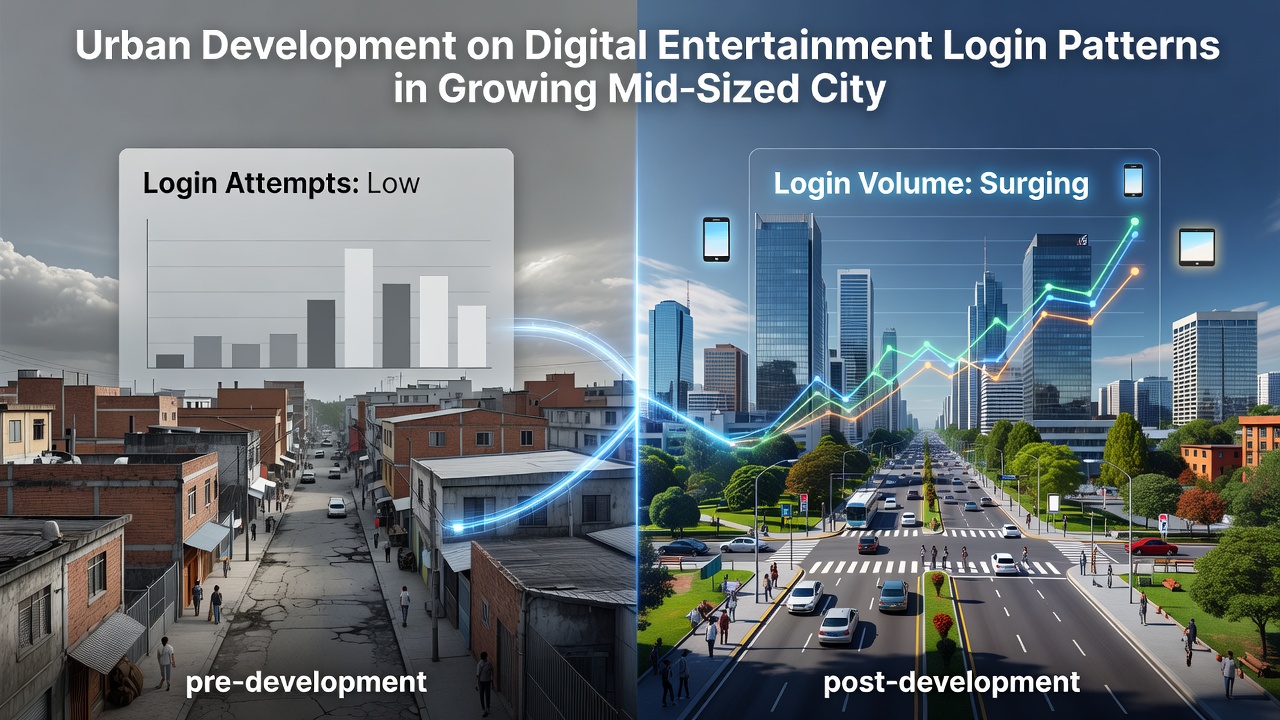
Urban development projects in mid-sized cities continue to alter daily routines, and these shifts extend directly into how residents access digital chance-based entertainment platforms. New housing complexes, expanded transit networks, and upgraded broadband corridors create fresh windows for logins while closing others that once dominated smaller urban centers. Researchers tracking platform activity note that login spikes now cluster around modified commute times and altered work-from-home arrangements that accompany large-scale construction.
Data from multiple municipal reports shows residents in expanding districts log in more frequently during mid-afternoon hours once new co-working spaces open near rail stations. Evening peaks that previously stretched past midnight have compressed into earlier windows because improved street lighting and extended public transit allow people to return home sooner. These adjustments appear consistently across cities experiencing population growth between 50,000 and 250,000 residents over the past decade.
Infrastructure Upgrades Drive Timing Shifts
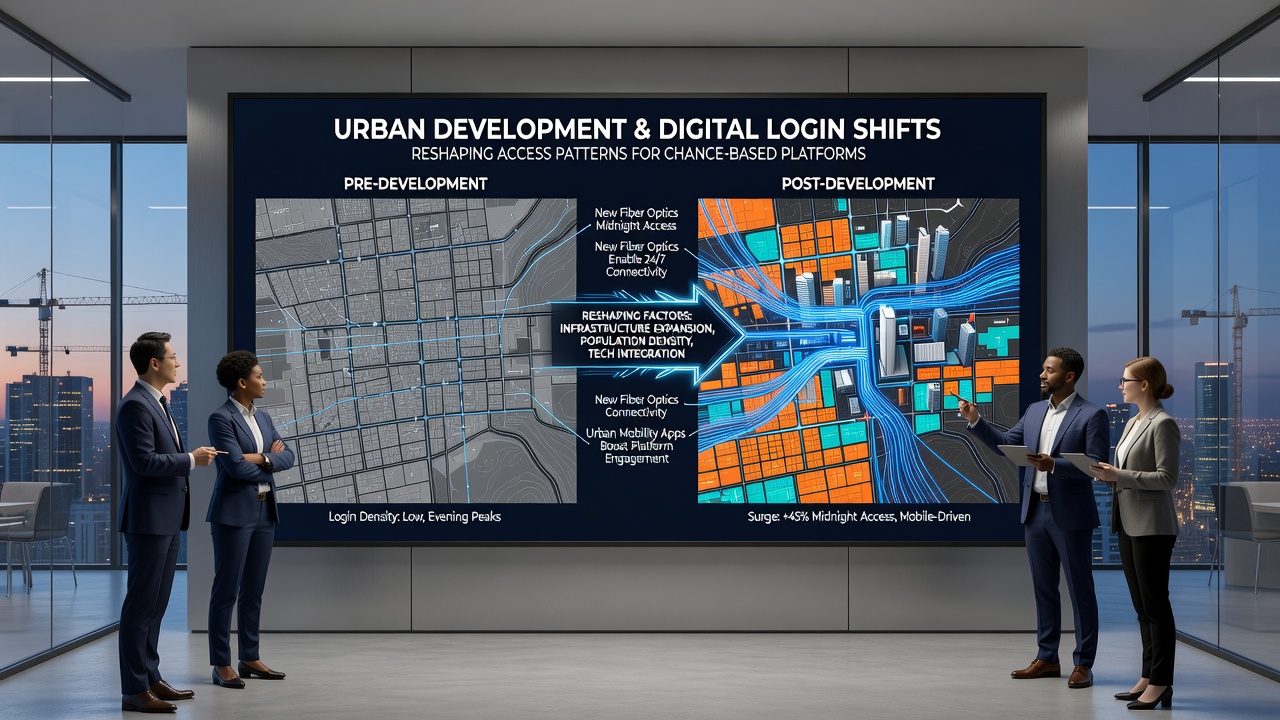
Broadband expansion paired with new apartment towers produces measurable changes in connection quality and session duration. Areas receiving fiber-optic upgrades record longer average login sessions because stable connections reduce interruptions during peak evening hours. At the same time, mobile logins rise sharply near newly built transit hubs where commuters wait for trains or buses equipped with reliable 5G coverage.
According to information released by the US Census Bureau, cities completing major housing and transit projects between 2023 and 2025 experienced a 14 percent increase in household broadband subscriptions within two years of project completion. Platform operators report corresponding rises in afternoon logins from those same zip codes, particularly on weekdays when new residents adjust to hybrid work schedules enabled by the developments.
Demographic Inflows Alter Peak Activity Windows
Young professionals moving into revitalized downtown cores bring different login habits than long-term residents. Data collected from platform analytics indicates these newcomers favor shorter, more frequent sessions spread across lunch breaks and early evenings rather than extended late-night play. The pattern holds in cities where urban renewal projects added both residential units and entertainment districts within walking distance of one another.
Observers studying traffic volumes note that weekends show less dramatic change because leisure patterns remain anchored to existing social calendars. Yet weekday afternoon activity continues climbing in neighborhoods where construction of mixed-use buildings finished recently. These trends align with employment data showing increased remote-work eligibility among new arrivals who settle in districts with upgraded digital infrastructure.
Case Examples from Mid-Sized Markets
Cities such as Boise and Chattanooga illustrate the pattern clearly. Both locations completed large-scale riverfront and downtown revitalization efforts that added thousands of residential units and improved connectivity. Platform traffic logs from these markets reveal login clusters shifting forward by roughly ninety minutes compared with pre-development baselines. Afternoon mobile sessions now account for a larger share of total activity while late-night desktop logins have declined proportionally.
Canadian examples show similar movement. Findings reported by Statistics Canada document how mid-sized centers completing transit-oriented developments experienced parallel changes in digital service usage timing. Although the data covers general internet activity, gaming platform operators confirm the same directional shifts appear in their own metrics for those regions.
Seasonal and Event-Driven Variations
Construction timelines themselves influence temporary login fluctuations. During intense building phases that close streets or limit parking, residents show higher midday logins from home because commuting becomes less predictable. Once projects reach completion and new amenities open, activity redistributes toward early evening as people incorporate new dining and recreation options into their routines.
As of July 2026, several mid-sized markets continue construction on multi-year projects that began in 2022. Early indicators suggest login patterns will keep evolving until these developments stabilize and residents settle into consistent daily schedules. Platform operators monitoring these cities adjust server capacity and promotional timing accordingly to match the new rhythms.
Conclusion
Urban development projects in growing mid-sized cities produce clear, measurable effects on login patterns for digital chance-based entertainment platforms. Infrastructure improvements, demographic changes, and altered commute structures combine to shift both timing and duration of sessions. Data collected through 2026 demonstrates these adjustments occur consistently across markets completing comparable revitalization work, and the patterns are expected to persist as additional projects reach completion in the coming years.