Navigating Security Protocols That Support Fluid Movement Between Virtual Slot Play and Interactive Dealer Tables
Written by Sam Zimmermann · May 22, 2026

Navigating Security Protocols That Support Fluid Movement Between Virtual Slot Play and Interactive Dealer Tables
Online gaming platforms now rely on layered security frameworks that allow players to move between virtual slot machines and interactive dealer tables without losing session integrity or exposing sensitive data, and these systems have evolved to meet rising demands for both speed and protection. Research from industry analysts shows that seamless handoffs depend on synchronized authentication tokens, encrypted session bridges, and real-time compliance checks that verify each transition meets regulatory standards across jurisdictions.
Core Elements of Transition Security
Encryption standards form the backbone of these movements, where advanced protocols such as TLS 1.3 and end-to-end AES-256 wrap player actions while they shift from automated reels to live video feeds, and data remains protected even during the brief window when the platform switches rendering engines. Observers note that token-based authentication replaces repeated logins by issuing short-lived credentials that carry verified player status from one game type to the next, reducing friction yet maintaining audit trails that regulators require.
Multi-factor verification steps activate automatically at each boundary, confirming identity through biometrics or device signatures before granting access to dealer tables that operate under stricter live-stream rules, and this approach prevents unauthorized jumps that could bypass spending limits or age gates. Data shows that platforms implementing these checks report fewer session interruptions while still satisfying requirements set by bodies like the Nevada Gaming Control Board.
Regulatory Alignment and Real-Time Monitoring
Compliance engines run continuous scans during transitions, cross-referencing player behavior against patterns flagged in earlier play sessions, and they pause movement if any anomaly appears that might indicate account sharing or unusual velocity. In May 2026 several operators updated their monitoring dashboards to incorporate machine-learning models trained on transaction data from both slot and table environments, allowing faster detection without slowing the player experience.
Those who have studied platform architectures find that geographic licensing adds another layer because each region imposes distinct rules on live dealer feeds versus virtual reels, and the security layer must route traffic through jurisdiction-specific gateways that enforce local data residency laws. Figures from recent audits reveal that successful handoffs now complete in under two seconds when these gateways operate in parallel rather than sequentially.
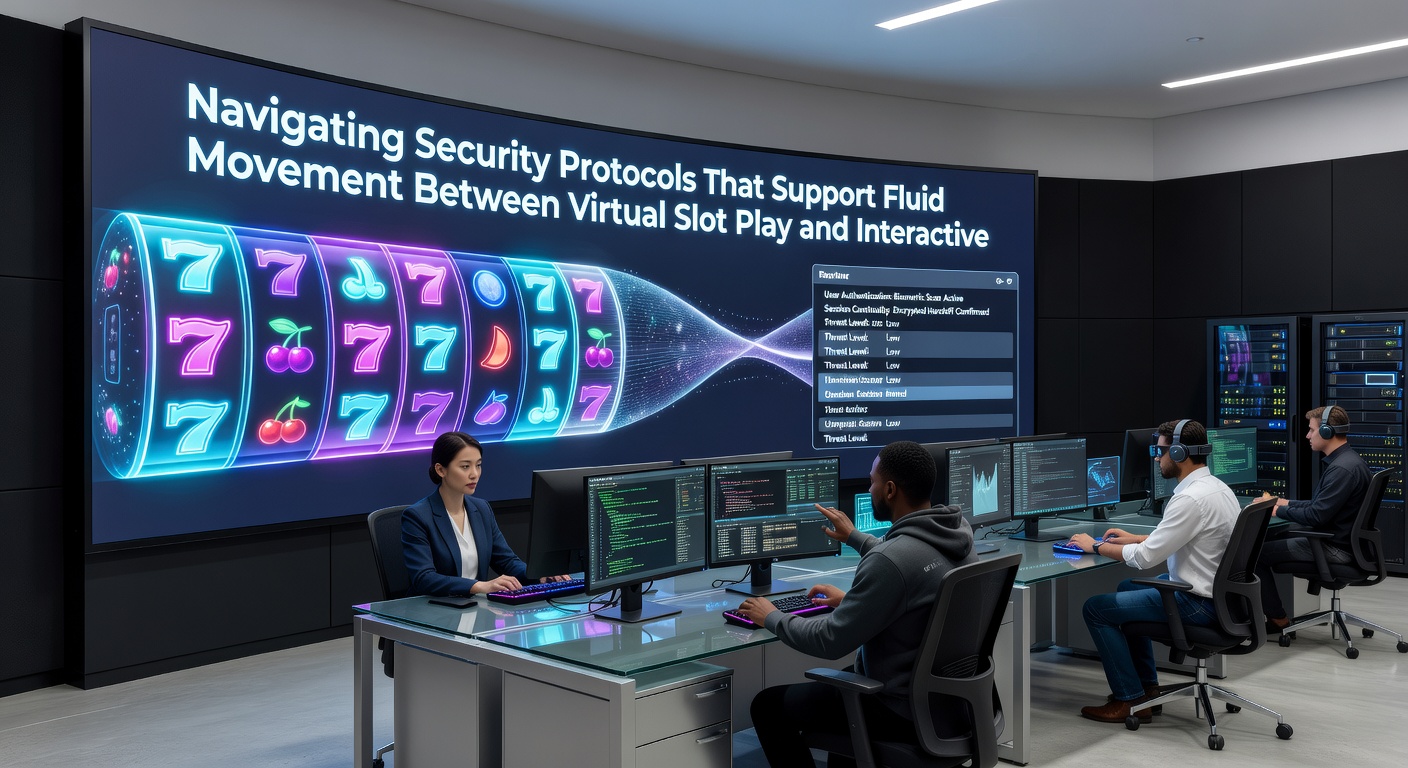
Technical Architecture Behind Fluid Movement
Load-balanced server clusters host separate modules for slots and dealer tables yet share a common player state database protected by sharded encryption keys, and this design lets the system transfer balance and history in milliseconds while keeping each module isolated against lateral attacks. Researchers at academic institutions tracking online gaming infrastructure have documented how containerized microservices isolate game logic so that a compromise in one area does not propagate during the switch.
API gateways act as controlled checkpoints that validate every request header and payload signature before forwarding it onward, and they log the exact moment a player leaves slots and enters the dealer environment for later reconciliation. What's interesting is how these gateways also enforce rate limits that protect against automated scripts attempting rapid back-and-forth movements designed to test system boundaries.
Player Experience and Security Trade-offs
Interface designers hide most of the security processes behind intuitive buttons that simply read “Join Live Table” or “Return to Slots,” yet behind the scenes the platform performs cryptographic handshakes and regulatory queries without displaying any delay, and players encounter only a brief loading animation. Case studies from operators who adopted unified wallets show that transaction logs remain continuous across game types, which simplifies tax reporting and responsible-gaming limit tracking.
Staff training programs now include modules on recognizing when a transition has triggered a security flag so customer support can guide users through additional verification steps without breaking immersion, and these programs draw on data collected during routine platform updates in early 2026.
Future Developments in Cross-Game Security
Emerging standards propose zero-knowledge proofs that let platforms confirm a player meets all criteria without revealing full identity details during each switch, and pilot programs are already testing these methods in controlled environments. Industry reports indicate that adoption of such proofs could further shorten transition times while satisfying stricter privacy regulations that continue to roll out across multiple continents.
Conclusion
Security protocols that enable smooth movement between virtual slots and interactive dealer tables combine encryption, token management, real-time monitoring, and regulatory gateways into a single coordinated system, and ongoing refinements continue to balance speed with protection. Data collected through 2026 demonstrates measurable improvements in both player retention and compliance metrics when these layers function together, pointing toward even more integrated experiences ahead.