Policy Shifts and Reward Adaptations in Emerging Digital Play Markets
Written by Theo Wagner · Aug 5, 2026
Policy Shifts and Reward Adaptations in Emerging Digital Play Markets
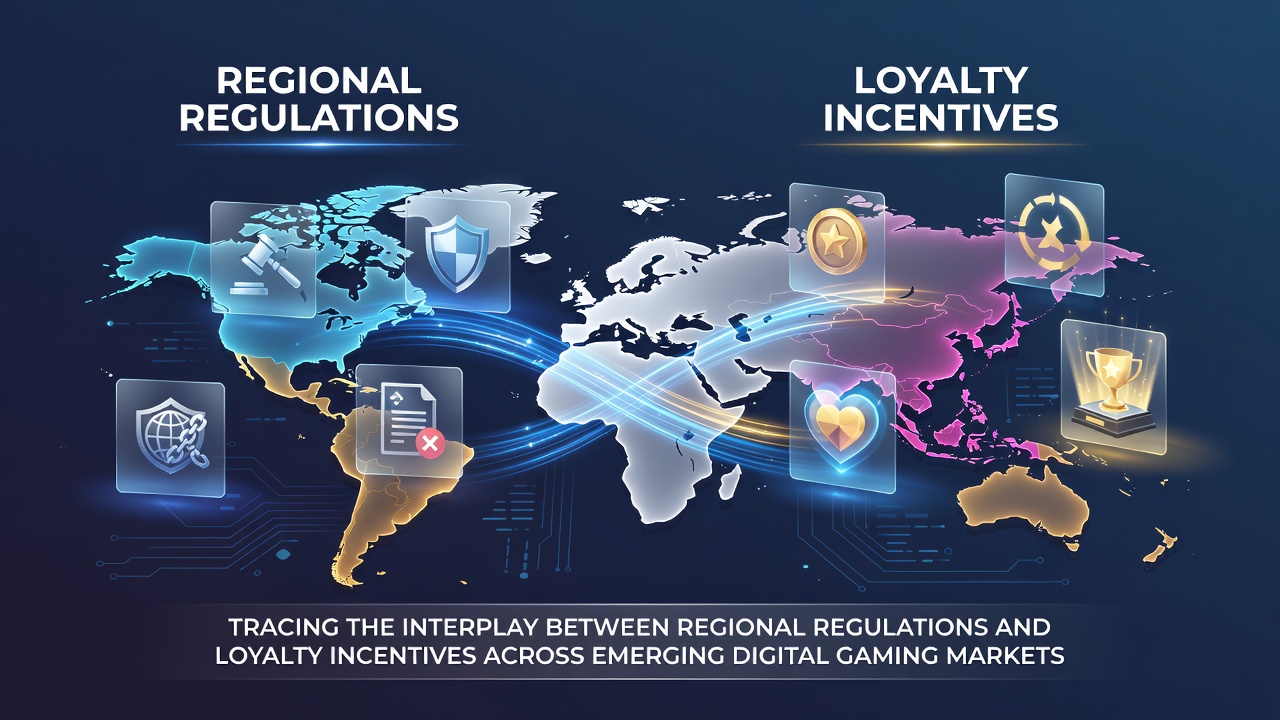
Regional regulations continue to shape loyalty incentives across emerging digital gaming markets where operators adjust reward structures to meet local compliance requirements while maintaining player engagement, and data from multiple jurisdictions shows this interplay has accelerated since early 2025 with new licensing frameworks taking effect in Latin America and parts of Africa.
Regulatory Frameworks Driving Structural Changes
Brazil's 2024 gaming legalization set the stage for operators entering the market to redesign bonus systems around strict deposit limits and responsible gaming mandates that took full force by mid-2025, while South African provincial rules require clear disclosure of wagering requirements on all promotional offers which forces platforms to simplify reward tiers and tie them directly to verified player activity rather than broad sign-up incentives.
Those who've tracked these markets observe that compliance costs have risen sharply, prompting companies to shift from generic cashback programs toward targeted loyalty points that reset monthly based on verified play volume, and figures from industry reports indicate this approach reduces regulatory risk yet preserves retention metrics in competitive environments.
Case Examples from Expanding Markets
One operator group active in Colombia adjusted its VIP tier benefits after the national gaming authority tightened rules on free spins in August 2025, replacing them with progressive deposit-match credits that align with local tax reporting standards, and similar adjustments appeared in Kenya where mobile-first platforms linked loyalty rewards to national identification verification processes to satisfy anti-money laundering checks.
What's notable is how these changes create ripple effects across platforms serving multiple regions, with some developers now building modular reward engines that swap incentive types depending on the user's detected location and applicable licensing body.
Technology Supporting Compliance and Retention
Platforms operating in these emerging zones increasingly deploy geofencing combined with real-time rule engines to deliver region-specific offers, and studies from research institutions tracking digital entertainment spending show that users in regulated markets respond better to loyalty structures that emphasize long-term point accumulation over immediate cash equivalents.
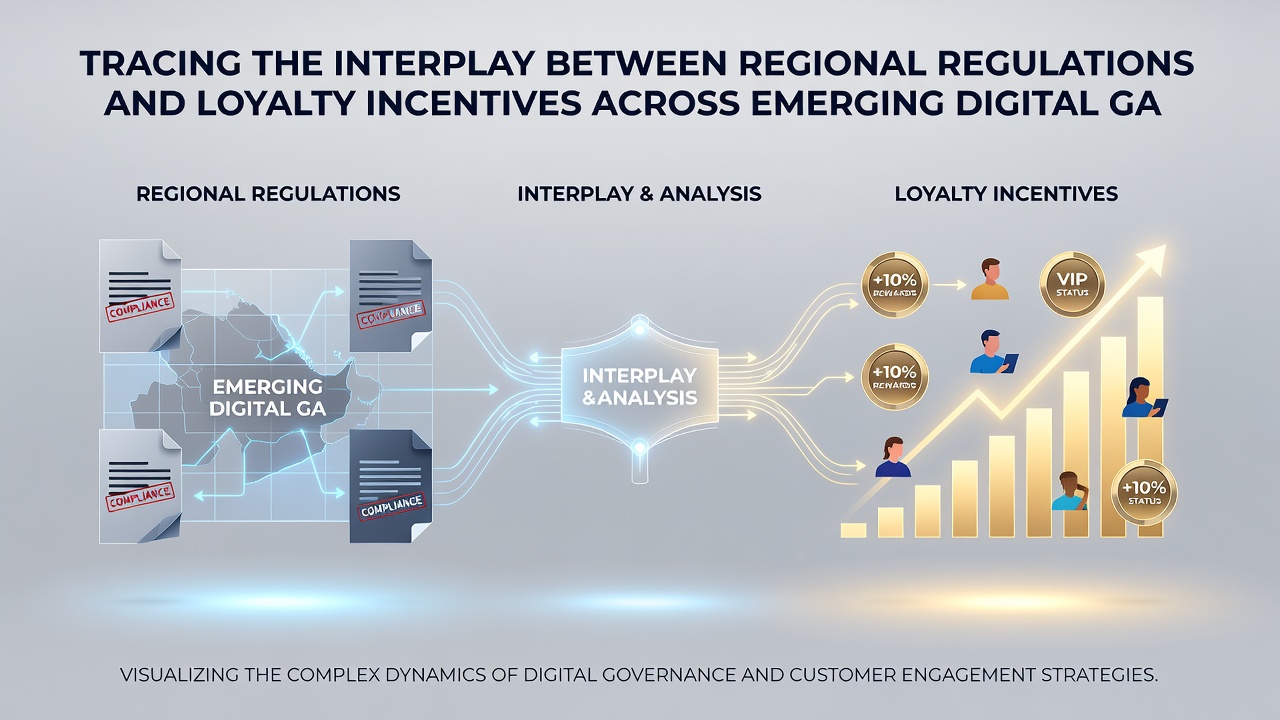
August 2026 marks the scheduled rollout of updated reporting standards in several West African jurisdictions that will require operators to log every loyalty transaction against player risk profiles, and those preparing for the change have begun testing automated audit trails that feed directly into both regulatory portals and internal CRM systems.
Cross-Border Operator Strategies
Companies expanding from established markets into newer digital zones often face conflicting rules on bonus validity periods and maximum payout caps tied to rewards, yet many have adopted unified backend systems that apply the strictest applicable standard across all user accounts to simplify operations, according to data shared by the European Gaming and Betting Association.
Observers note this conservative stance helps avoid license revocation risks in high-growth areas where regulators monitor promotional activity closely, and the approach also aligns with academic findings from university-led studies on player behavior in lightly regulated environments that link overly aggressive incentives to higher churn rates once restrictions tighten.
Future Outlook Based on Current Trends
Evidence from licensing applications filed through 2026 suggests regulators in emerging markets will continue prioritizing transparency in loyalty program terms, which pushes operators toward reward models centered on skill-based challenges or community milestones rather than pure volume betting, and this shift appears across multiple jurisdictions simultaneously.
Those monitoring regulatory filings expect further convergence between responsible gaming mandates and loyalty mechanics, with platforms likely to integrate mandatory cooling-off features directly into reward redemption flows by late 2026.
Conclusion
The ongoing interaction between regional regulations and loyalty incentives continues to redefine how operators structure player retention in emerging digital gaming markets, and available data points to sustained adaptation as new rules come online across Latin America, Africa, and Southeast Asia.