Regulatory Changes in Key Markets Reshape Bonus Incentives Across Mobile Gaming Borders
Written by Otto Albrecht · Aug 26, 2026

Regulatory Changes in Key Markets Reshape Bonus Incentives Across Mobile Gaming Borders
Regional laws continue to alter how operators structure bonuses on cross-border mobile platforms, with new compliance layers emerging in multiple jurisdictions since early 2025, and observers note that these shifts force platforms to redesign reward mechanics to avoid penalties while serving users across borders. Data from regulatory filings shows that deposit match offers and free spin packages now carry region-specific wagering caps in several markets, whereas previously uniform global terms created friction during enforcement actions.
European Frameworks Drive Disclosure Overhauls
Authorities across the European Union have updated guidelines on promotional transparency, requiring mobile platforms to segment bonus eligibility based on user location, and this adjustment stems from consumer protection directives that took incremental effect through 2025. Operators must now display localized terms before users activate any reward, which means cross-border apps integrate geo-fencing tools that automatically adjust bonus values and playthrough requirements. Research indicates that platforms operating in multiple member states reduced average bonus percentages by noticeable margins to meet these segmented rules, while still maintaining competitive appeal for users in less restrictive zones.
North American Variations Add Layered Compliance
Provincial rules in Canada and state-level measures in parts of the United States have introduced distinct bonus caps and verification steps that affect international mobile services, and the Alcohol and Gaming Commission of Ontario published updated standards requiring separate bonus ledgers for users accessing platforms from different provinces. These measures, which expanded in mid-2025, compel operators to track and report bonus redemptions separately rather than pooling data across borders, leading to revised app architectures that isolate reward pools by jurisdiction. Figures reveal that several major platforms adjusted their loyalty point conversions to align with these tracking demands, ensuring no single bonus structure violates local play limits.
Asia-Pacific Markets Introduce Strict Wagering Thresholds
Regulators in Australia and Singapore have enforced tighter controls on bonus promotion timing and value, with new provisions that limit how quickly users can access cross-border rewards on mobile devices. Platforms serving these regions now embed mandatory cooling-off periods into bonus activation flows, and data from industry compliance reports shows reduced maximum bonus amounts tied directly to verified local accounts. One study released by regional trade groups found that operators revised their global campaigns to exclude certain free-to-play incentives for users in these markets, replacing them with cashback models that comply with spending caps enforced since late 2025.
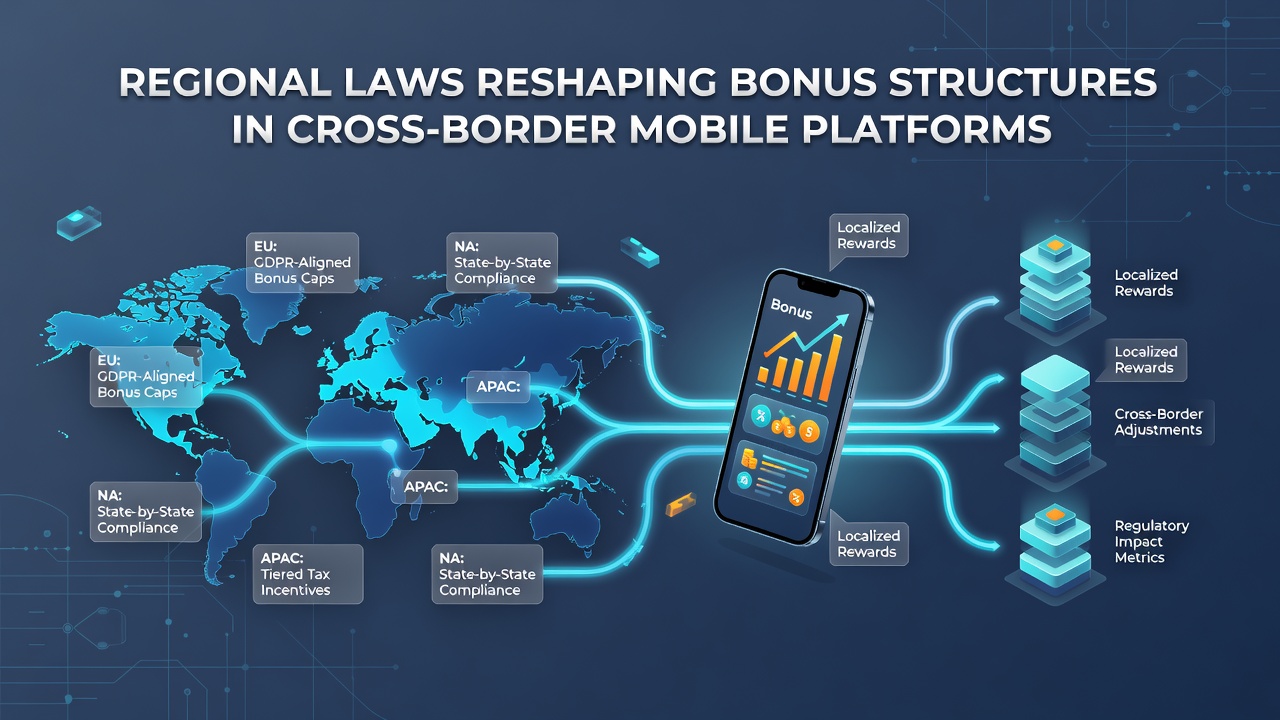
Enforcement actions have accelerated these adaptations, as authorities in August 2026 are scheduled to begin coordinated reviews of mobile bonus ledgers across participating jurisdictions. This timeline has prompted platforms to pre-load jurisdiction-specific rule engines into their apps, allowing real-time adjustments that prevent violations during user sessions that span multiple regulatory zones. Observers note that such engines rely on IP verification combined with account registration data, creating smoother yet more restricted bonus experiences than earlier uniform offerings.
Technology Adaptations and Reporting Burdens
Mobile developers have responded by building modular bonus systems that swap terms based on detected user location, and these updates incorporate audit trails demanded by regulators in several countries. The added reporting layers require platforms to maintain separate logs for each jurisdiction's bonus activity, increasing backend complexity while reducing the risk of cross-border disputes. Evidence suggests that companies investing early in these modular designs experienced fewer service interruptions during recent regulatory spot checks compared with those maintaining legacy global structures.
Conclusion
Regional laws continue to fragment once-standard bonus models on cross-border mobile platforms, with operators adapting through segmented systems and enhanced tracking to meet varied requirements. Compliance data from multiple authorities demonstrates measurable shifts in bonus percentages, activation rules, and reporting protocols that shape current platform operations. These changes reflect ongoing efforts by regulators to align promotional practices with local consumer standards while supporting legitimate cross-border access.