The Influence of Real-Time Data Analytics on Customizing Table Game Experiences for Mobile Users
Written by Quinn Lehmann · Jul 8, 2026
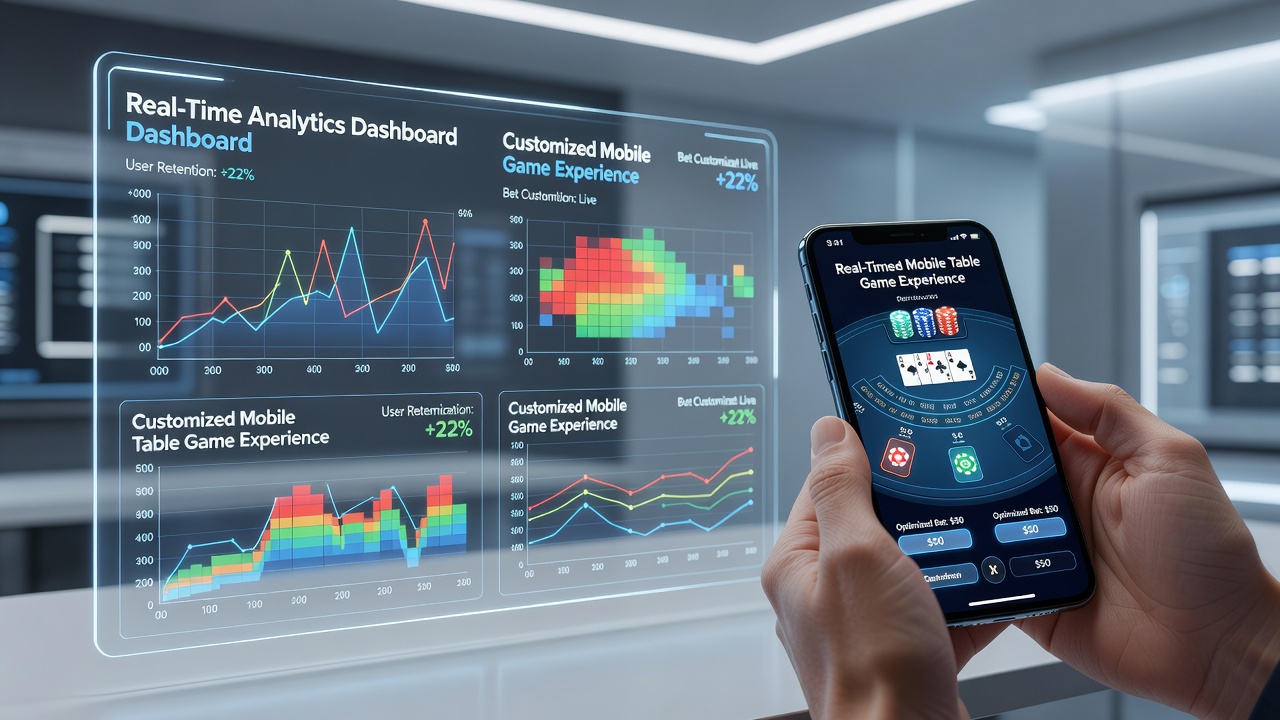
The Influence of Real-Time Data Analytics on Customizing Table Game Experiences for Mobile Users
Real-time data analytics has transformed how mobile platforms deliver table game experiences by processing player interactions as they occur and adjusting game elements accordingly. Operators collect streams of information from bet patterns, session durations, device types, and response times, then apply algorithms that modify table limits, interface layouts, and promotional triggers without interrupting play. This approach allows systems to respond within seconds rather than relying on post-session reviews that characterized earlier digital gaming models.
Data Streams Driving Customization
Mobile table games generate continuous datasets that include touch gestures, swipe speeds, pause frequencies, and connection stability metrics. Platforms integrate these inputs with historical player profiles to identify preferences for game variants such as speed blackjack versus traditional formats or specific roulette wheel styles. According to research from the University of Nevada's International Gaming Institute, these combined signals enable predictive adjustments that maintain engagement levels across different user segments. Operators use edge computing nodes to reduce latency so that changes appear seamless on handheld devices during live dealer sessions.
Geolocation data and time-of-day patterns further refine offerings, allowing systems to surface localized tournament invitations or adjust minimum bets when regional activity peaks occur. In July 2026, several North American operators reported expanded use of these layered datasets to align mobile table experiences with live event schedules from nearby venues, creating synchronized promotions that draw from both physical and virtual traffic flows.
Personalization Mechanisms in Practice
Algorithms analyze deviations from expected play styles to trigger interface modifications such as simplified betting controls for newer users or advanced statistics overlays for experienced players. Table selection engines recommend specific dealer tables based on past performance correlations, while real-time risk models adjust credit limits or introduce cooling-off prompts when unusual patterns emerge. These systems operate through modular software layers that update independently, avoiding full app reloads that could disrupt mobile sessions.
Examples from Current Deployments
One European operator implemented a system that tracks card-drawing speed preferences and automatically shifts animation timings to match individual rhythms during mobile blackjack rounds. Another platform in the Asia-Pacific region uses aggregated session data to rotate between different camera angles for live baccarat tables, selecting views that align with user engagement histories. These adjustments rely on supervised learning models trained on anonymized datasets spanning millions of interactions, as detailed in reports from the Australian Institute of Criminology's gambling technology reviews.

Technical Infrastructure Supporting Adjustments
Cloud-based processing combined with on-device caching allows platforms to maintain continuity when network conditions fluctuate. Data pipelines feed into decision engines that score multiple variables simultaneously, outputting instructions for UI changes, sound settings, or bonus eligibility within the same hand cycle. Security protocols encrypt these transmissions using tokenization methods that separate identifiable information from gameplay metrics, meeting standards set by bodies such as the Malta Gaming Authority. Observers note that this separation reduces processing overhead while preserving the ability to deliver tailored experiences across global user bases.
Integration with third-party analytics suites enables smaller operators to access similar capabilities without building proprietary systems from scratch. These partnerships have accelerated adoption rates, particularly among platforms targeting cross-border mobile audiences where regulatory requirements differ by jurisdiction.
Regulatory Context and Compliance Factors
Jurisdictions continue to refine rules around data usage in gaming applications, requiring clear disclosure of analytics practices and opt-out mechanisms for personalization features. The International Association of Gaming Regulators has published guidelines emphasizing transparency in how real-time adjustments influence game fairness perceptions. Mobile operators must demonstrate that algorithmic decisions do not create unintended advantages or disadvantages for specific player cohorts, leading many firms to implement audit trails that log every customization event with timestamps and triggering conditions.
These compliance layers add complexity to development cycles yet have encouraged more robust testing environments that simulate diverse mobile conditions before deployment. Data from these tests informs iterative improvements that keep pace with evolving device capabilities and user expectations.
Conclusion
Real-time data analytics continues to reshape mobile table game delivery through precise, context-aware modifications that respond directly to player behavior. The combination of device-level metrics, historical patterns, and regulatory safeguards has produced systems capable of maintaining consistent experiences across varied network environments and geographic regions. As infrastructure matures and datasets grow more comprehensive, platforms are positioned to refine these capabilities further while adhering to established oversight frameworks from multiple international bodies.