Tracing Biometric Verification Adoption Trends and Their Effects on Transaction Efficiency in Mobile-Based Casino Environments
Written by Sam Zimmermann · Jul 31, 2026
Tracing Biometric Verification Adoption Trends and Their Effects on Transaction Efficiency in Mobile-Based Casino Environments
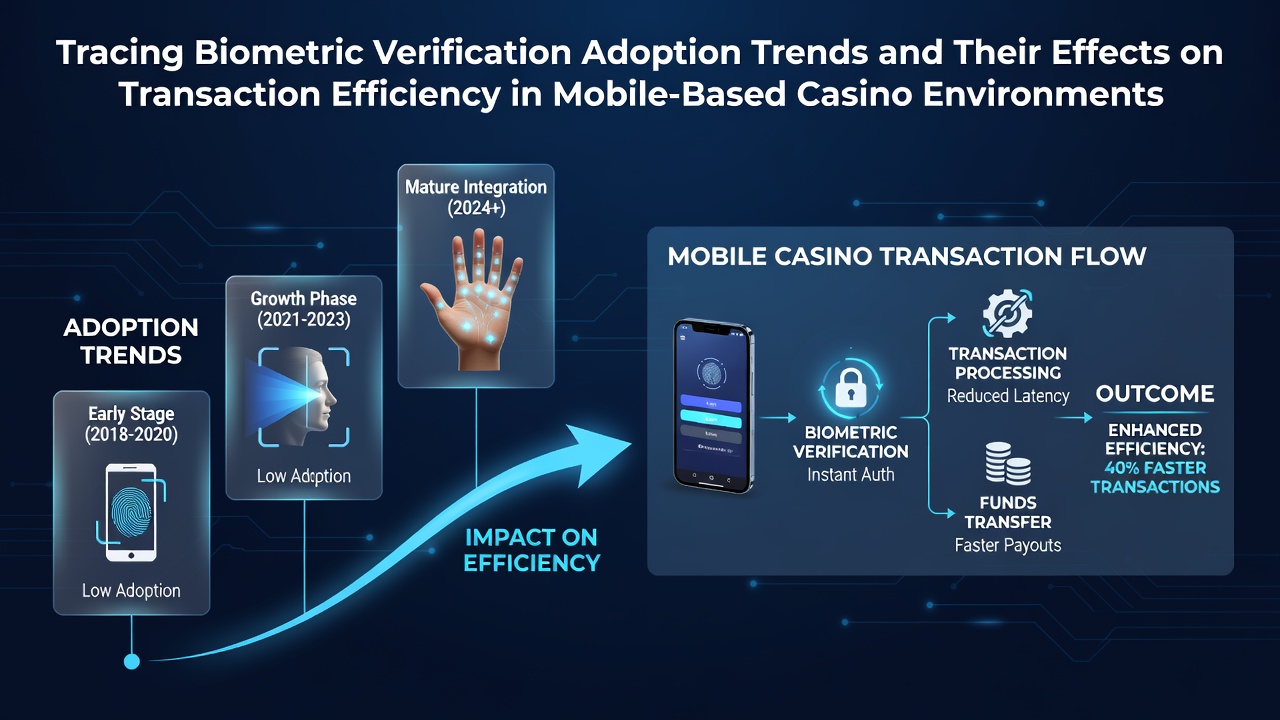
Biometric verification systems have gained traction across mobile casino platforms as operators integrate fingerprint scanning, facial recognition, and voice authentication into user workflows, and data from industry reports shows adoption rates climbing steadily through 2025 and into mid-2026. Research indicates that these technologies address persistent challenges in user authentication and payment processing by replacing traditional password entry or SMS codes with physiological identifiers that reduce login times and streamline deposit sequences. Observers note that mobile environments benefit particularly from such methods because they align with device-native capabilities on iOS and Android ecosystems, allowing seamless transitions from account access to real-money transactions without additional hardware requirements.
Adoption Patterns Across Regions and Platforms
Studies compiled by regulatory bodies and research institutions reveal distinct regional variations in biometric rollout, with North American operators accelerating implementation following updates to state-level gaming frameworks in 2025. European markets, including those overseen by authorities in Malta and the Netherlands, have incorporated biometric standards into compliance protocols that emphasize secure data handling during cross-border play sessions. In Asia-Pacific jurisdictions, platforms operating under Australian and Singaporean guidelines have reported higher integration rates for facial recognition tools, driven by consumer preference for contactless methods amid ongoing health considerations. Figures released in July 2026 by a consortium of gaming technology providers highlight that approximately 68 percent of major mobile casino applications now support at least one form of biometric verification, compared with 42 percent two years earlier.
Those who track platform updates point to partnerships between casino software developers and established biometric vendors as a key driver behind this expansion. These collaborations enable standardized APIs that handle everything from initial enrollment to ongoing transaction approvals, and they often include fallback mechanisms such as PIN verification when biometric scans encounter environmental interference like poor lighting or device damage. Data from multiple operator case studies demonstrates that platforms incorporating these hybrid systems maintain compliance while delivering consistent performance across diverse user bases.
Measured Impacts on Transaction Processing Speeds
Evidence gathered from transaction logs across several mobile casino networks shows measurable gains in efficiency once biometric verification replaces legacy authentication steps. Average time for account login drops from roughly 12 seconds with password-plus-code methods to under four seconds with fingerprint or facial scans, according to aggregated metrics shared by analytics firms serving the iGaming sector. Deposit initiation follows a similar pattern, with funds becoming available for play within eight seconds on biometric-enabled apps versus 25 seconds on systems requiring manual entry of card details and secondary confirmation codes.
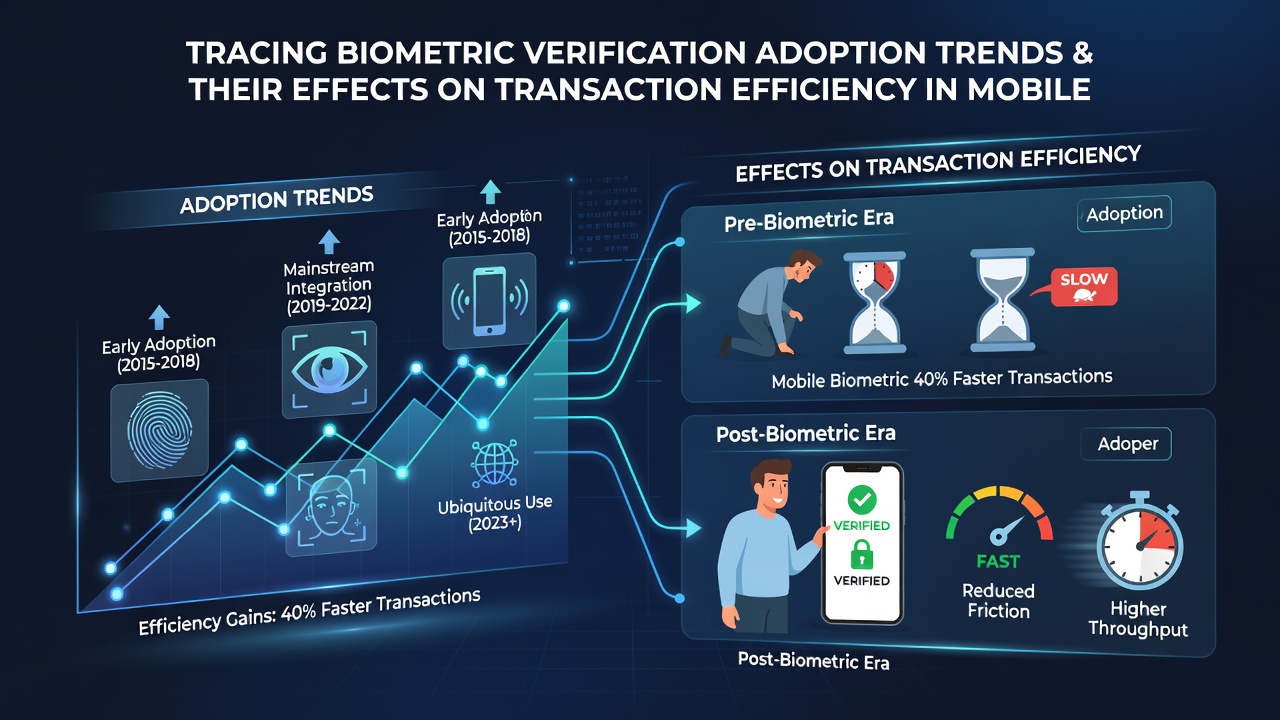
Withdrawal processing also benefits because biometric confirmation can satisfy regulatory identity checks that previously demanded separate document uploads or video verification calls. Research conducted by academic teams at institutions studying digital payment flows indicates that platforms using continuous authentication protocols, where biometric signals are monitored passively during a session, further cut friction by eliminating repeated prompts for high-value transfers. Those monitoring these metrics observe that error rates associated with failed transactions decline as well, since biometric mismatches trigger immediate, localized retries rather than routing users through support channels that extend resolution times.
Security Integration and Regulatory Alignment
Biometric systems in mobile casino environments typically combine on-device processing with encrypted template storage to meet data protection standards set by bodies such as the Nevada Gaming Control Board and the Ontario Alcohol and Gaming Commission. This architecture limits transmission of raw biometric data while still enabling real-time matching against stored references, and it supports audit trails required for dispute resolution. Industry organizations tracking cybersecurity incidents report fewer account takeover attempts on platforms that have fully deployed these layered defenses, because replicating physiological traits proves more difficult than intercepting static credentials.
What's notable is how these security layers interact with transaction efficiency goals. Rather than adding steps, properly configured biometric checks consolidate multiple compliance requirements into a single action, allowing operators to maintain both regulatory adherence and operational speed. Reports from technology vendors indicate that integration timelines have shortened as standardized frameworks mature, enabling smaller operators to adopt the same tools previously limited to large enterprises.
Future Trajectories and Ongoing Developments
Projections based on current deployment data suggest continued expansion through 2027, particularly as wearable devices introduce additional biometric modalities such as heart-rate pattern verification that could further secure high-volume mobile sessions. Regulatory updates expected later in 2026 may formalize testing requirements for these emerging methods, building on existing guidelines already in place across multiple jurisdictions. Analysts examining user behavior patterns note sustained preference for friction-reduced experiences, which in turn encourages operators to prioritize biometric enhancements during platform refresh cycles.
Conclusion
Biometric verification adoption in mobile casino environments continues to reshape transaction workflows by compressing authentication timelines and aligning security protocols with device capabilities, and quantitative evidence from regulatory filings and operator reports confirms efficiency gains across login, deposit, and withdrawal processes. Regional differences persist yet share common technical foundations that facilitate broader implementation, while ongoing refinements in template storage and passive monitoring promise additional improvements without compromising compliance standards.