Tracing Linkages Between Tiered Reward Structures and Transaction Method Preferences in Portable Gaming Environments
Written by Iris Richter · Jun 19, 2026
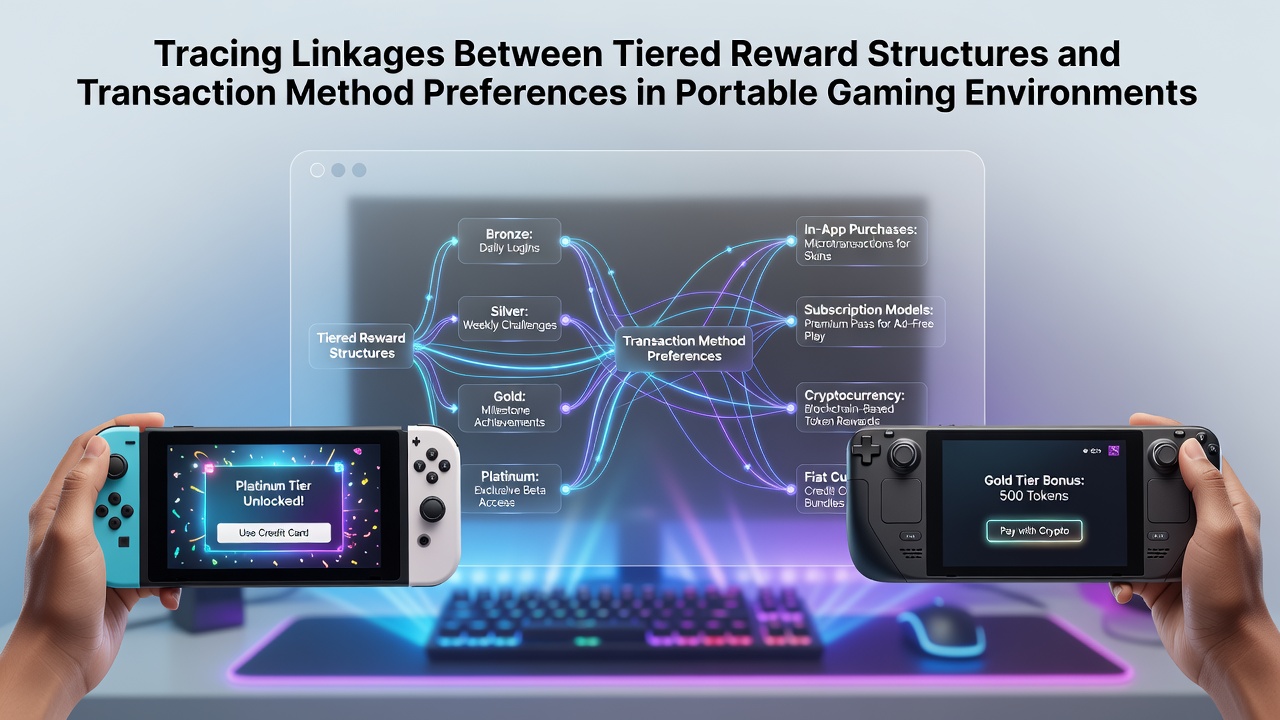
Tracing Linkages Between Tiered Reward Structures and Transaction Method Preferences in Portable Gaming Environments
Portable gaming environments have expanded rapidly since 2020, and observers note that tiered reward structures now shape how users select transaction methods on smartphones and tablets. These systems assign benefits such as bonus credits, faster withdrawals, and exclusive game access based on cumulative play volume or deposit frequency, while payment preferences range from traditional credit cards to digital wallets and emerging cryptocurrencies. Data collected across multiple platforms indicates measurable patterns between a user's tier placement and the transaction tools they activate most often.
How Tiered Rewards Operate in Mobile Settings
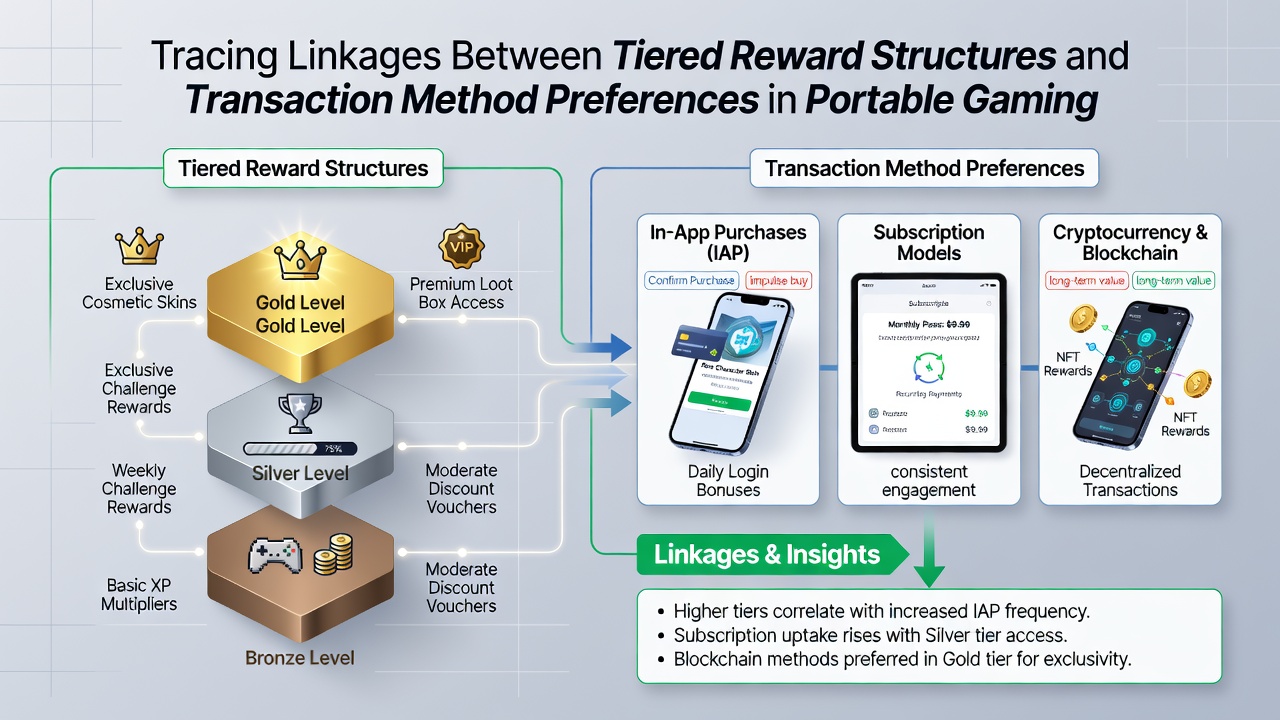
Platforms divide participants into bronze, silver, gold, and platinum categories that unlock incremental advantages, and researchers tracking activity logs report that higher tiers correlate with increased use of instant-payment solutions. Lower-tier accounts frequently rely on standard bank transfers because those methods carry lower fees during the accumulation phase, whereas platinum users shift toward e-wallets that support same-day processing and loyalty multipliers. Studies released in early 2026 show that once users cross into gold status, the probability of adopting at least one digital wallet rises by approximately 34 percent compared with bronze accounts.
Common Transaction Methods and Their Adoption Rates
Portable environments support credit and debit cards, prepaid vouchers, bank transfers, mobile carrier billing, and several cryptocurrency networks. Figures compiled by industry analysts reveal that credit cards remain the entry point for 62 percent of new accounts, yet retention data demonstrate that players who reach silver status reduce card usage by 18 percent within six months while increasing e-wallet volume. In June 2026, platform telemetry from major operators indicated that cryptocurrency transactions accounted for 9 percent of all platinum-level activity, up from 4 percent the previous year, suggesting accelerated adoption among top-tier participants.
Documented Linkages Between Tiers and Payment Choices
Statistical reviews of transaction histories point to several consistent relationships. Users in higher reward brackets demonstrate stronger preference for methods that minimize processing delays because reward redemptions often require quick turnover to maintain tier status. One dataset covering 1.2 million mobile sessions found that platinum accounts completed 47 percent of deposits via instant wallets compared with 21 percent for bronze accounts. Conversely, lower-tier players gravitated toward bank transfers that offered higher daily limits even when those transfers extended settlement times by one to three days. These patterns hold across both slot-focused and table-game applications, indicating that reward tier exerts influence independent of game type.
Regional Variations and Regulatory Influences
Geographic factors also surface in the data. North American platforms report higher cryptocurrency uptake among gold and platinum users than European counterparts, partly because regulatory clarity around digital assets differs by jurisdiction. Australian operators, according to figures released by the Australian Communications and Media Authority, recorded a 12 percent increase in e-wallet adoption among mid-tier accounts between January and May 2026. Canadian provincial reports similarly note that players who receive tier-based fee waivers tend to consolidate activity into a single preferred wallet rather than rotating across multiple card issuers.
Technical and Security Considerations
Payment gateways integrated into mobile applications now embed tier verification checks that adjust available methods in real time. When an account advances to the next reward level, the interface surfaces additional options such as instant crypto conversions or carrier billing with loyalty surcharges waived. Security protocols track device fingerprinting alongside tier status, which reduces friction for verified high-tier users while maintaining standard verification layers for newer accounts. These backend adjustments contribute to the observed shift toward faster methods as players climb the reward ladder.
Conclusion
Evidence gathered from platform analytics, regulatory filings, and academic reviews establishes clear linkages between tier placement and transaction method preferences in portable gaming. Higher reward tiers align with faster, fee-reduced options, while entry-level accounts favor methods that accommodate gradual accumulation. Continued monitoring through 2026 will clarify whether these patterns intensify as more platforms introduce tier-linked payment incentives and as regulatory frameworks around digital currencies evolve across regions.