Unveiling Patterns in Biometric Data Integration for Secure Cross-Device Gaming Transitions Across Regions
Written by Sam Zimmermann · Jun 24, 2026
Unveiling Patterns in Biometric Data Integration for Secure Cross-Device Gaming Transitions Across Regions
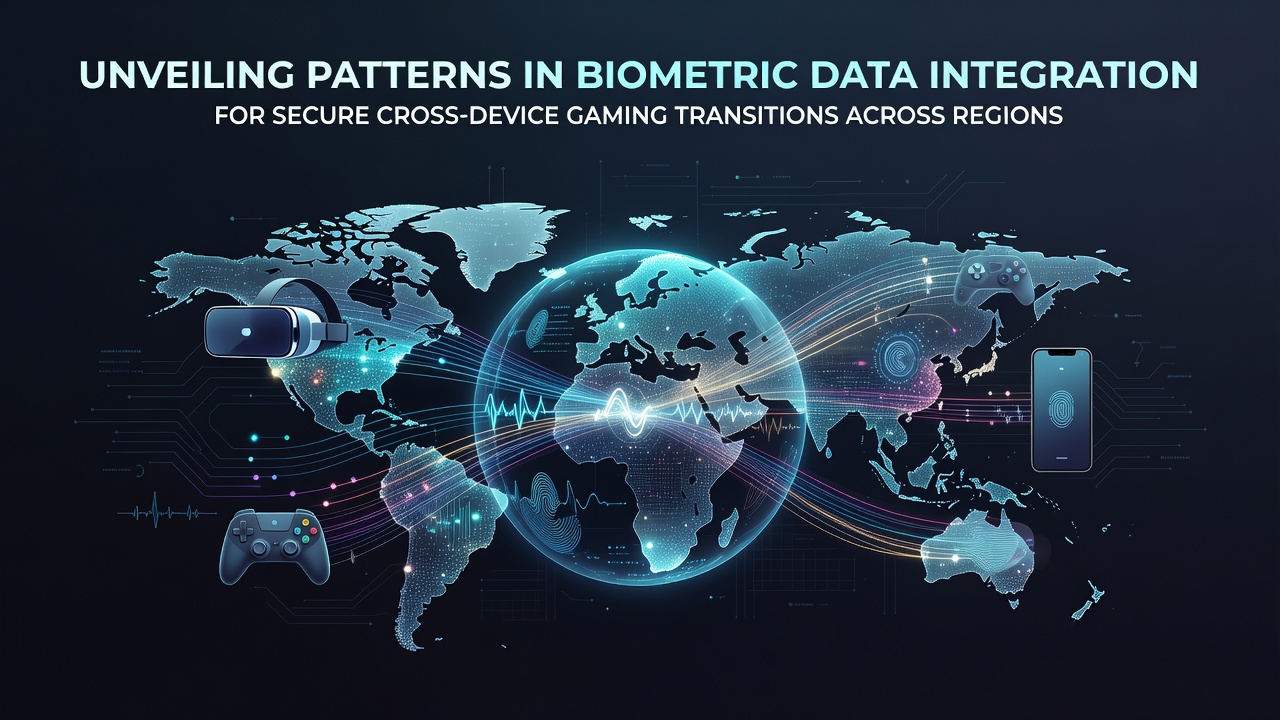
Biometric data integration has emerged as a core element in modern gaming platforms that support transitions between devices and regions while maintaining security standards. Systems now combine fingerprint recognition, facial mapping, and iris scanning to verify user identity during shifts from mobile devices to consoles or desktops, and patterns in these integrations reveal consistent approaches across multiple jurisdictions.
Core Biometric Technologies Driving Integration
Developers deploy multimodal biometric frameworks that layer several identifiers together, and this approach reduces single-point failures when users move between hardware setups. Data from device sensors feeds into centralized verification engines that compare live captures against stored templates, while encryption protocols protect the transfer of these templates during regional handoffs. Observers note that platforms handling global audiences often standardize on hybrid models where voice patterns supplement physical biometrics to handle cases where one modality encounters interference from environmental factors.
Patterns Across Cross-Device Transitions
Analysis of implementation logs shows recurring sequences where initial device pairing triggers a biometric enrollment window followed by continuous authentication checks at fixed intervals. When users switch from a smartphone to a home console, the system re-authenticates using cached encrypted tokens that link to fresh biometric samples captured on the new hardware, and this pattern repeats across platforms operating in North America, Europe, and Asia-Pacific markets. Research indicates that latency during these transitions averages under three seconds when optimized caching combines with edge computing nodes located near major data corridors.
Regional Regulatory Influences on Data Handling
Different regions impose distinct requirements on how biometric information moves across borders during gaming sessions. Platforms serving users in the European Union align storage practices with data minimization principles outlined by regulatory frameworks, whereas operators in Singapore and Australia follow guidelines from local communications authorities that emphasize consent logs and audit trails. Those who've examined deployment records find that companies maintaining separate regional data silos experience fewer compliance interruptions, while unified global databases require additional anonymization steps to satisfy varying legal thresholds.
Patterns emerge when examining traffic volumes around major events, and June 2026 schedules include several international gaming summits where developers plan to showcase updated biometric handoff protocols tested across time zones.

Security Protocols and Encryption Standards
Encryption remains central to every documented integration pattern, with end-to-end methods wrapping biometric templates before they travel between devices or jurisdictions. Industry reports from organizations such as the National Institute of Standards and Technology detail recommended key rotation schedules that align with biometric template refresh cycles. Platforms also incorporate liveness detection algorithms that distinguish between genuine user samples and synthetic attempts, and these checks activate automatically during every device transition regardless of the originating region.
Observed Trends in 2026 Deployments
Current implementations reveal a shift toward decentralized biometric processing where raw data never leaves the user's immediate device cluster, and instead only match scores transmit to verification servers. This trend appears in both large-scale casino gaming networks and competitive esports environments, where cross-device play occurs frequently across international tournaments. Figures from recent technical reviews show adoption rates climbing steadily since early 2025, particularly among platforms that must comply with multiple national data residency rules simultaneously.
Conclusion
Patterns in biometric data integration continue to shape how gaming platforms manage secure transitions, with consistent emphasis on layered verification, regional compliance, and efficient encryption. As June 2026 approaches, ongoing refinements in these systems point toward further standardization that supports fluid movement between devices while respecting geographic data boundaries.